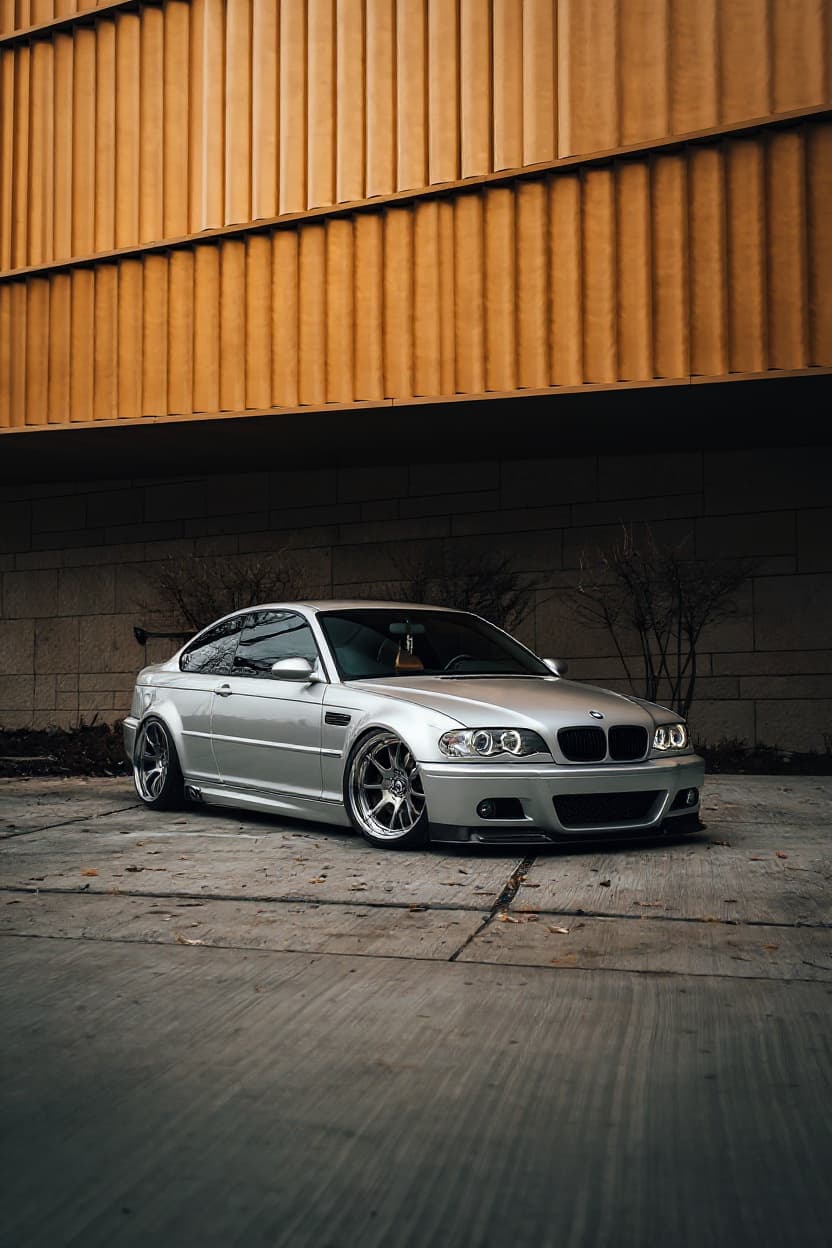
What a Stance Does to the Chevrolet Camaro 1969
What makes stance different from simply lowering a Chevrolet Camaro 1969 is the standard it answers to: every measurement has to agree. Ride height at the setup's limit, wheel face meeting the fender lip — flush or just past — and camber tucking the tyre where the arch demands it. A dialled Camaro reads as engineered rather than dropped, and the gap between those two outcomes is a few millimetres.
Camaro Stance: The Cost Breakdown
Expect a Camaro stance build to total $800–$4,000, spent in a specific order. Coilovers first — Fortune Auto, Tein, KW V2, or BC Racing, $600–$1,500 — to get the ride height. Then wheels with a more aggressive (lower) offset to bring the tyre out to the fender lip, and a fender roll so nothing rubs once the car settles. The optional line item is air ride: an Air Lift 3P or AccuAir setup adds $2,500–$5,000 but lets the car drive at sensible height and drop to show height on a button.
See it on your Camaro before ordering parts
Stance lives or dies on small numbers — a few millimetres of offset, a slightly different drop, the wrong tyre spec — and one bad variable unravels the whole look on a Camaro. Rendering the finished fitment on your actual car with TunedRides is the cheap way to check the maths before any parts are ordered.
Upload your Camaro photo, free →Rendering a Stance on Your Camaro: Three Steps
- 1Upload a photo of your Camaro. A single clear photo works; profile angles read stance and aero changes best. JPG or PNG, up to 10MB.
- 2Select Stance as your style. Our AI reads your Camaro's body lines and proportions, then applies the transformation accurately. Not a generic edit, a render that respects your specific car.
- 3Download your render. You'll have the result in ~30 seconds. Free is watermarked, Pro ($14/mo or $69/yr) gives 250 HD watermark-free renders monthly — built for sharing with your shop.