
What Is a Widebody Kit?
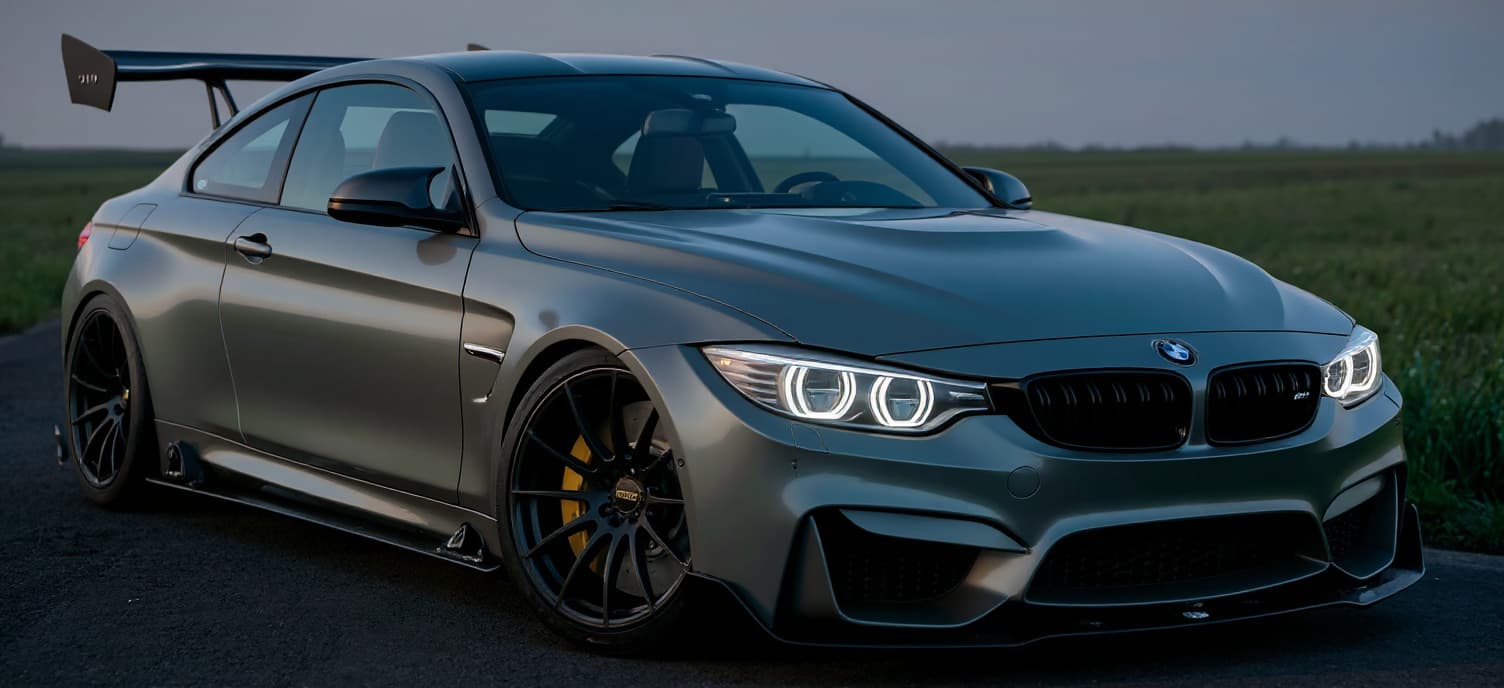
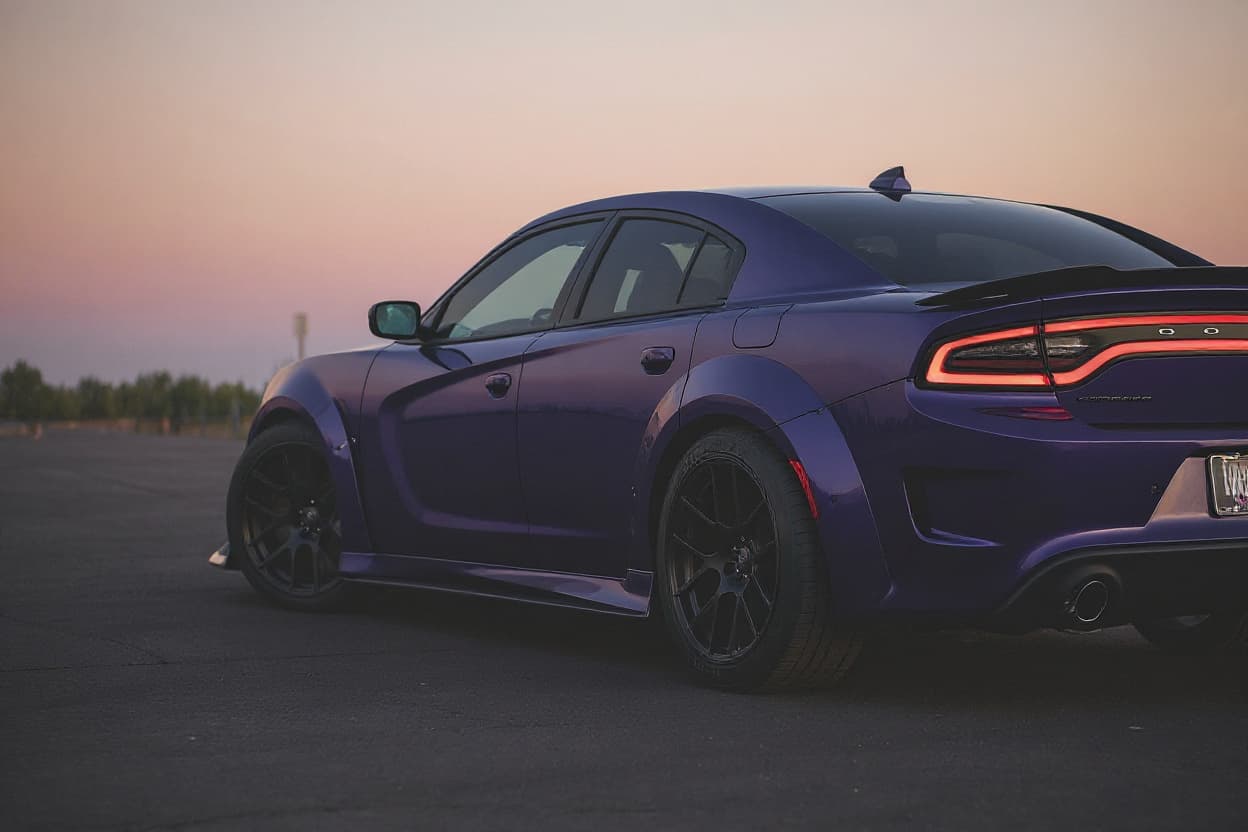
A widebody kit is a set of aftermarket body panels, typically fender flares, wider front and rear bumpers, side skirts, and sometimes a diffuser or ducktail spoiler, designed to make a car appear significantly wider than its factory dimensions. The goal is both visual and functional: wider bodywork allows you to run wider wheels and tires, which improves grip, handling, and stance. The result is one of the most dramatic transformations possible in car modification.
Widebody kits come in two main attachment methods. Bolt-on or rivet-on overfenders attach to the existing fender without cutting the metal underneath, making them more reversible. Full replacement fenders require removing or cutting the original sheetmetal and are typically used on high-end builds where clean lines matter more than reversibility. Most kits sold by established brands like Liberty Walk, Rocket Bunny, and Pandem are designed for specific platforms and require significant bodywork and paint to look factory-correct.
The Culture: Liberty Walk, Rocket Bunny, RWB, and Pandem
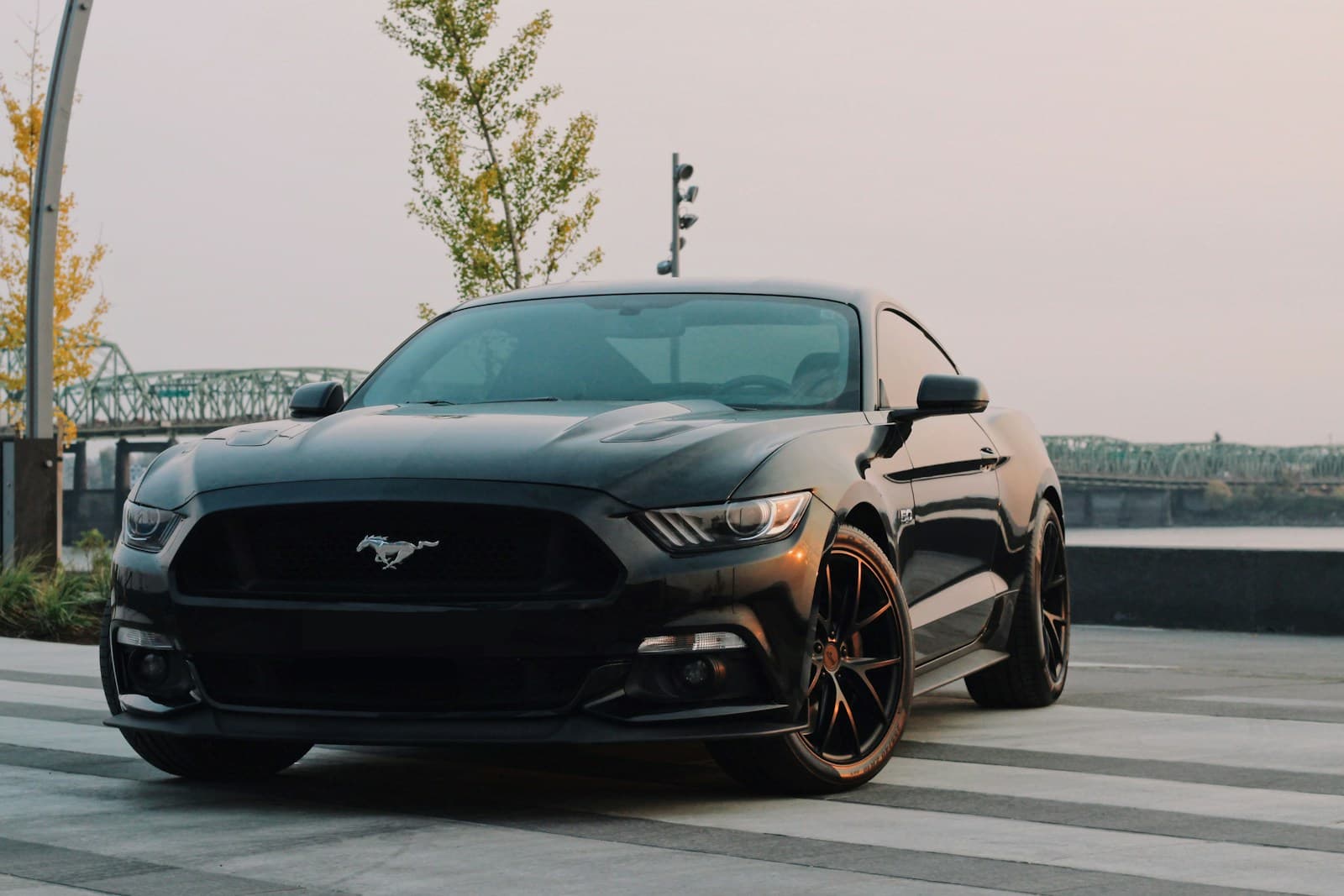
Widebody culture has Japanese roots. Liberty Walk, founded by Wataru Kato, brought the concept of riveted bolt-on overfenders to the mainstream, first on Lamborghinis and Ferraris, then on Mustangs, GT-Rs, and more accessible platforms. The visual language is instantly recognizable: large riveted flares, often painted in contrast or matching the body, with massive wheels filling every millimeter of the arches.
Rocket Bunny (created by Kei Miura of TRA Kyoto) took a different approach, smoother, more sculpted aero that looks more integrated than riveted. Pandem is Rocket Bunny's export-market brand. RWB (Rauh-Welt Begriff) is the work of Akira Nakai, who builds each car by hand, often flying to the owner's location to do the work himself. An RWB build is an experience, not just a product.
In the US, the scene has grown to include muscle car platforms. Widebody Challengers, Chargers, and Corvettes have become a staple of SEMA and grassroots car shows alike, blending American horsepower with Japanese fitment culture.
What Changes with a Widebody Build
A full widebody transformation typically involves more than just bolting on fenders. Here's what's usually part of a proper widebody build:
- Fender flares: Front and rear overfenders that add 30–120mm of width per side, allowing wider wheels and tires.
- Wider track: Wheel spacers or purpose-built wide-body wheels push the wheels out to fill the new arches.
- Bumper aero: Most kits include revised front and rear bumpers with integrated splitters, canards, or diffuser elements.
- Side skirts: Connect the front and rear aero visually and improve underbody airflow.
- Diffuser: Rear diffuser improves aerodynamic balance and visual drama at the same time.
- Paint and bodywork: The most labor-intensive part. Blending the new panels seamlessly into the existing bodywork.
Real Widebody Build Costs
A realistic widebody build budget breaks down roughly as follows. An entry-level bolt-on kit in fiberglass or polyurethane from brands like Duraflex or Anderson Composites runs $800–$2,000 for the kit itself. Premium kits from Liberty Walk or Rocket Bunny/Pandem are $3,000–$8,000 in parts alone. Labor for a proper installation , bodywork, gaps, paint prep, adds $2,000–$5,000 at most quality shops. Full paint to match the existing color adds another $1,500–$3,000. A complete, high-quality widebody transformation typically falls in the $4,000–$12,000 range, and can go significantly higher for carbon fiber, custom fabrication, or premium brands on exotic platforms.
That cost is exactly why visualization matters. Before spending $4K–$12K on parts, labor, and paint, knowing how a specific kit looks on your specific car and color is the difference between regret and confidence. Our AI render shows you exactly that, your car, your color, widebody treatment. In 30 seconds.
How to Choose the Right Widebody Kit
Choosing a widebody kit comes down to four factors: platform compatibility, style direction, material quality, and installation complexity. Not all kits are made for all cars, start by confirming the kit you want is designed for your specific make, model, and year. Then consider the aesthetic direction: riveted Liberty Walk overfenders read very differently than the smoother lines of a Rocket Bunny kit, even on the same car. Material matters too, polyurethane flexes and is more forgiving than fiberglass, which is stiffer but more prone to cracking. Carbon fiber is the premium option for weight and finish quality. Finally, consider installation: some kits are bolt-on; others require cutting fenders or significant body modification, which demands a shop with real bodywork expertise.
What Our AI Render Shows (vs. a Real Kit)
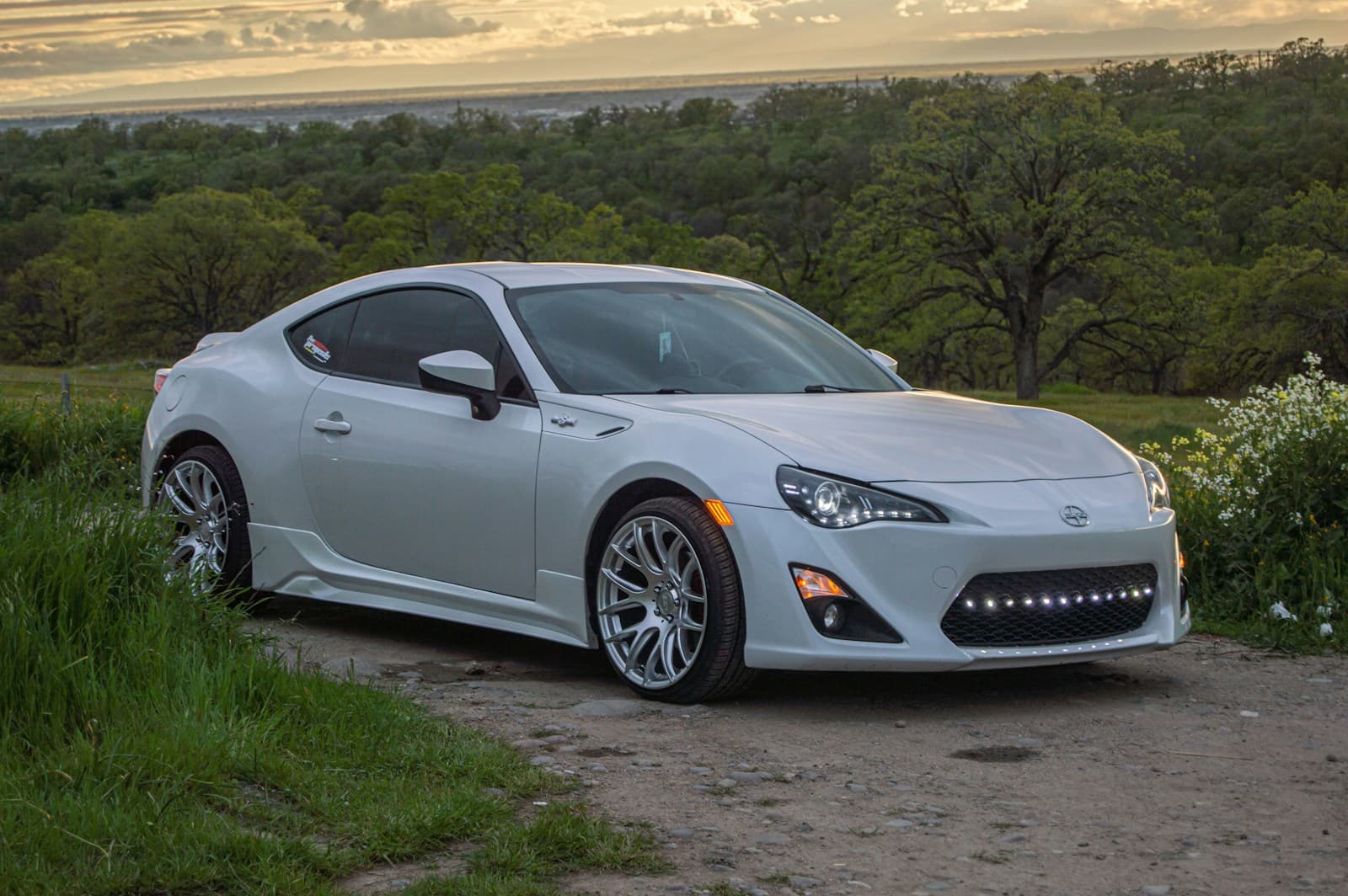
Our AI render shows the visual transformation of your specific car with a widebody treatment, wider fenders, fuller wheel arches, revised aero, and the proportional change that comes with a wider track. It's real enough to communicate the aesthetic clearly and help you decide whether to proceed with the real build.
What it doesn't replicate is brand-specific kit detail, if you want to visualize an exact Liberty Walk LB-Works kit for a Nissan GT-R, the render will capture the widebody character rather than the precise panel lines of that specific product. Think of it as a high-fidelity preview to confirm direction, not a technical blueprint of a specific SKU. Most builders use it to confirm color and proportion before talking to their shop or kit supplier.