TunedRidesPreview your car →

AI Color Change Visualizer

Color Change — Preview Any Paint Color on Your Car

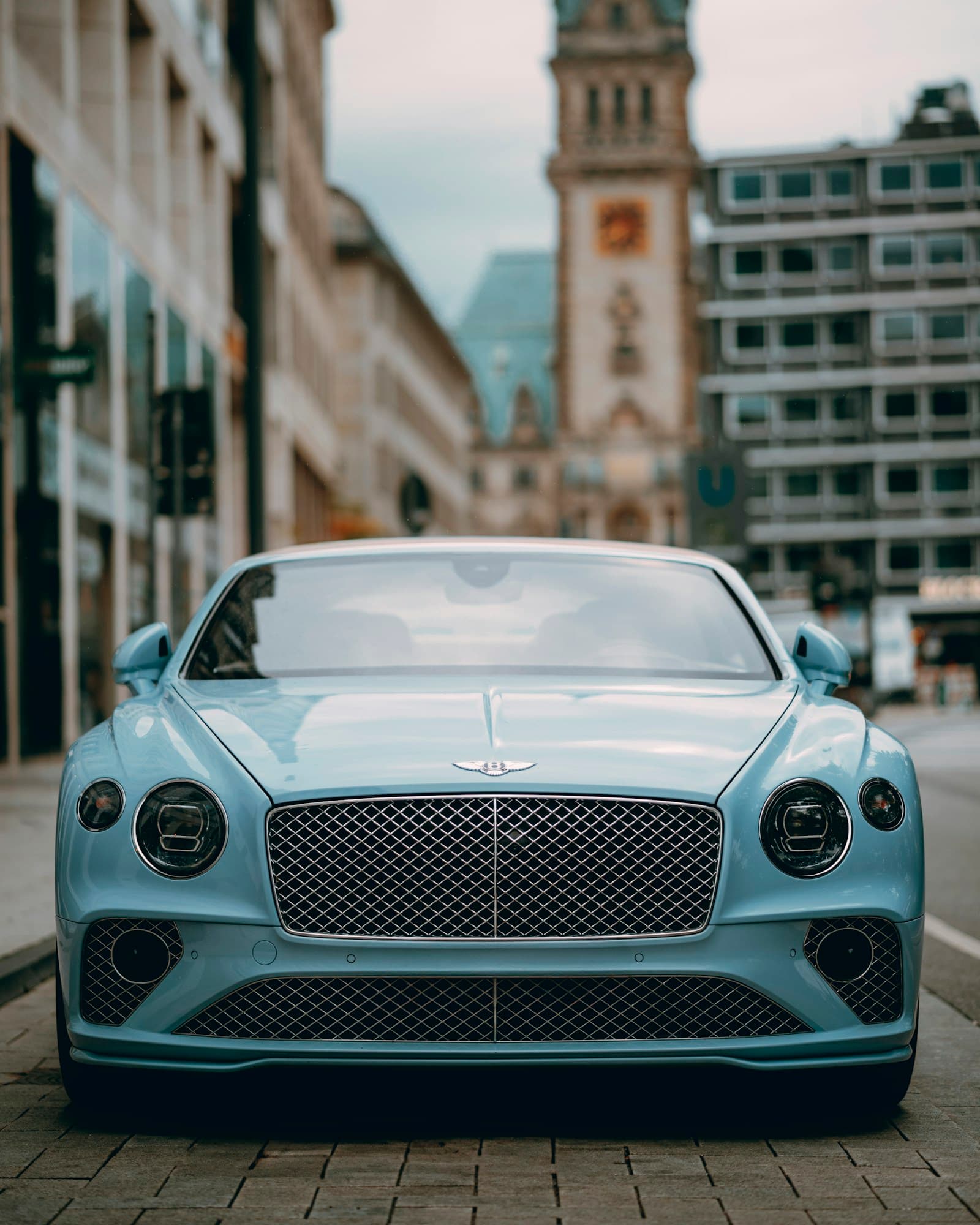
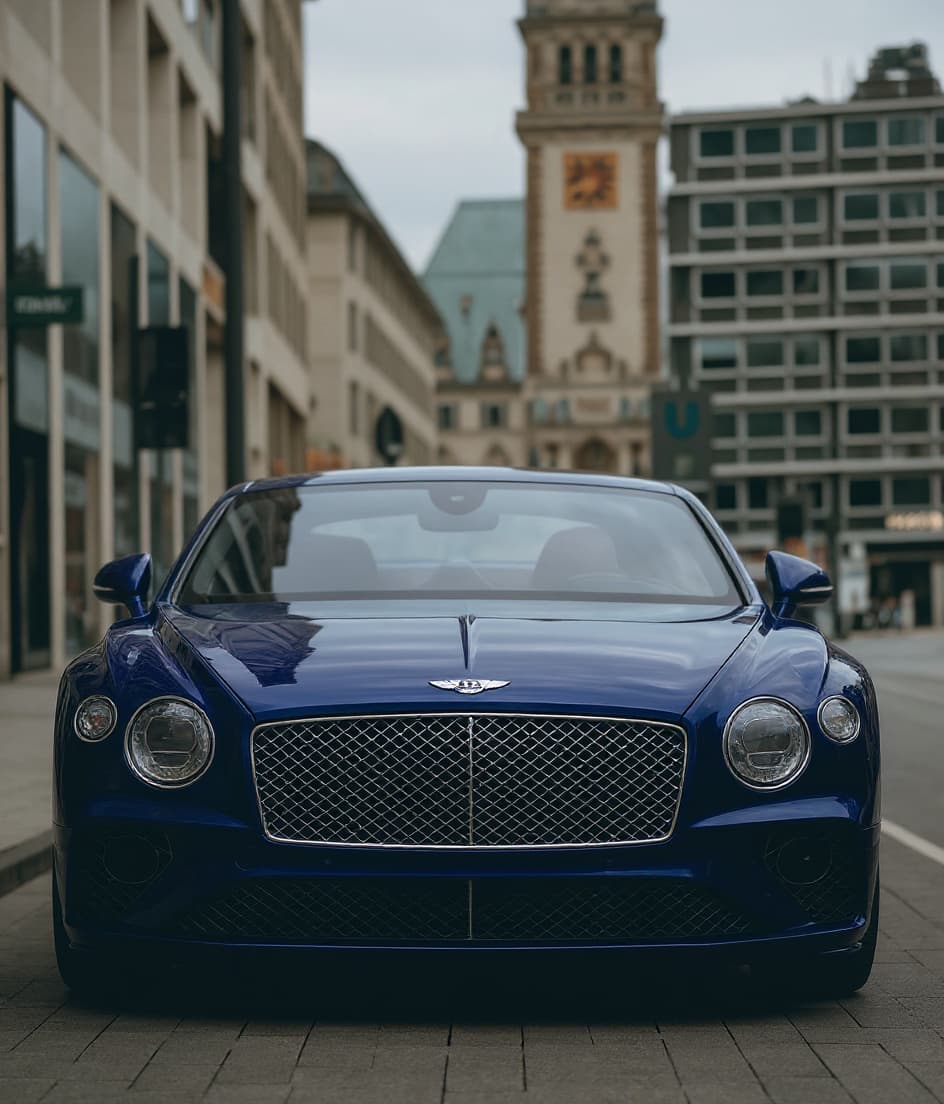
See your car in any paint color before a $1K–$8K respray. Candy, matte, metallic, factory — photoreal AI render in 30 seconds.

Candy PaintMatteMetallicPearlTwo-ToneFactory Respray

Repaints vs Wraps: Understanding the Real Difference

Color change can be accomplished two ways: a full respray (applying new paint over or in place of the factory finish) or a vinyl wrap (applying adhesive film over the existing paint). The two approaches share the same visual goal — a different color — but differ significantly in permanence, process, cost, and long-term character.

A respray is permanent. Once the factory paint is sanded, primed, and repainted, the car's history changes — it's been repainted. For many enthusiasts, this is fine, even desirable (correcting damage or changing a color you've always disliked). For collector cars or those concerned with future resale documentation, it matters. A wrap, by contrast, protects the factory paint underneath and removes cleanly — returning to stock color and preserving the original documentation.

See our custom wrap guide for a deeper comparison. For true color changes — especially where paint quality and longevity matter — a quality respray is the right choice.

Types of Paint Finishes: Solid, Metallic, Pearl, Candy, and More

Paint finish type affects the visual character as much as color choice does. The main categories:

  • Solid color: Single pigment, no metallic flake. Easiest to touch up and most economical. Looks clean and bold. Classic black, white, and red are solid colors.
  • Metallic: Pigment with aluminum flake mixed in. Creates depth and shifts in character with light angle. Silver, gunmetal, and most factory "metallic" colors fall here.
  • Pearl: Uses mica (ceramic) particles instead of aluminum flake. Creates a more subtle, iridescent shimmer than metallic. Many factory premium colors are pearl finishes.
  • Candy: A translucent color coat applied over a metallic base. Creates an extraordinary depth — the color appears to glow from within. Extremely labor-intensive and difficult to repair. Candy red, candy blue, and candy apple green are iconic.
  • Matte: A flat clear coat (or no clear coat) produces a non-reflective finish. Cannot be machine polished; requires specific matte-safe care products. Increasingly popular as a factory option on premium and performance vehicles.
  • Satin: Between gloss and matte. A subtle sheen that reads elegantly in photos and in person.
  • Two-tone: Two different colors separated by a defined line — typically body and roof, or upper and lower body sections. Requires masking, multiple spray sessions, and precise execution.

Respray Costs: $1K to $8K and Why

The price of a color change respray reflects preparation, materials, and labor. A basic single-stage color change at a high-volume shop (Maaco-tier) runs $1,000–$2,000. The paint is applied over minimal prep, exterior only, with no disassembly. It looks fine in photos and from ten feet; up close, you'll see overspray on trim and imperfect transitions.

A mid-quality respray at an independent body shop — including jambs, partial disassembly, proper primer, two-stage paint, and clear coat — runs $3,000–$5,000. This is the sweet spot for most enthusiast builds.

A show-quality full respray — full disassembly, bare metal prep, block sanding, multiple primer and color coats, wet sanding between stages, and high-gloss clear — runs $6,000–$15,000+ depending on finish complexity. Candy paint, two-tones, and custom hand-laid effects add significant labor.

Color Trends in Car Culture: The Colors That Matter

Some colors carry cultural weight in car communities. Bayside Blue — the factory color of the Nissan Skyline R34 GT-R — is perhaps the most culturally significant color in JDM culture. Midnight Purple (R33 GT-R) shifted under light in ways that seemed almost supernatural. These colors are regularly replicated on unrelated platforms as a form of cultural reference.

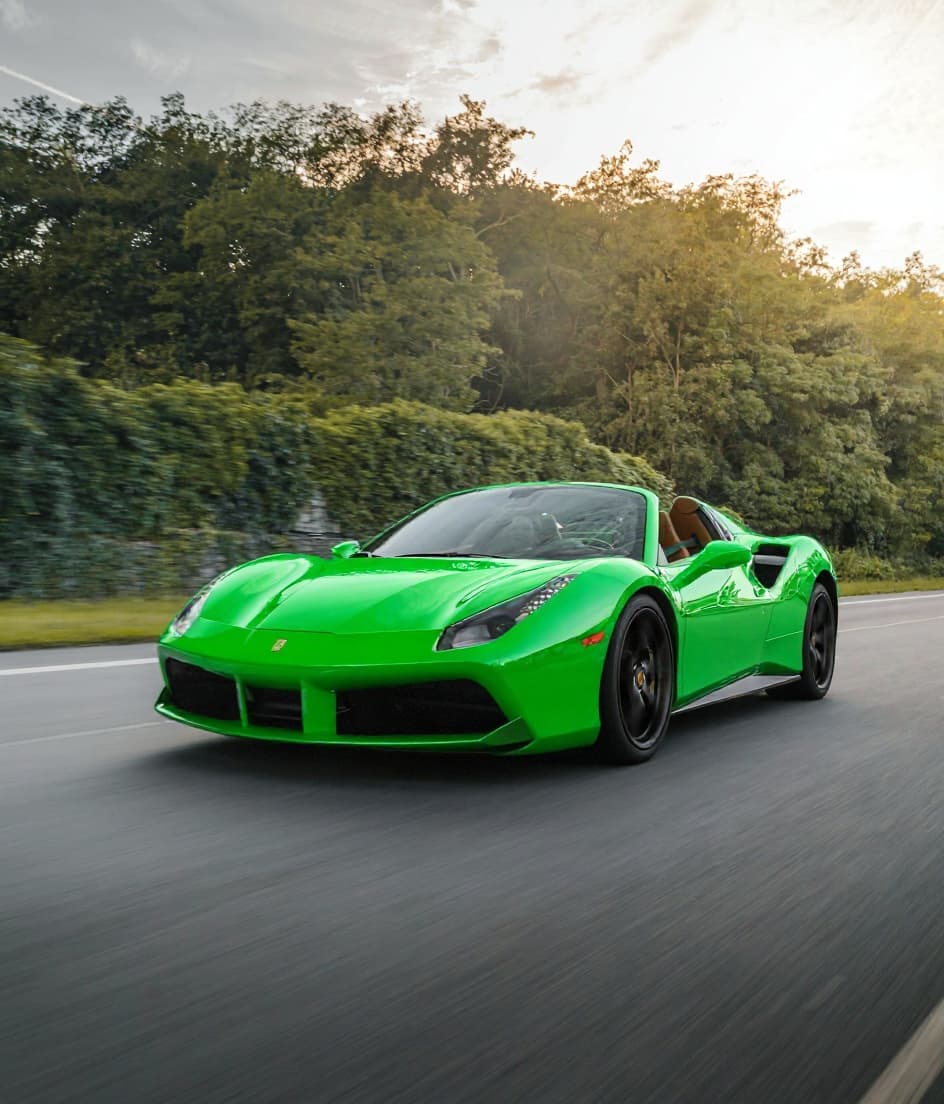
Verde Mantis is the most popular factory Lamborghini green, a jewel-bright tone that has become associated with Italian supercar culture globally. Liquid Silver (BMW) and Space Grey (BMW) are performance-car neutrals that read as thoughtful rather than conservative. In American muscle culture, Plum Crazy Purple, Go Mango Orange, and B5 Blue (Mopar colors) carry decades of heritage.

Olive green and military-inspired earth tones have seen a significant rise in popularity across car culture in the past five years, particularly on trucks, SUVs, and Porsches. They photograph well, age well, and feel current without being trend-chasing.

How Custom Paint Is Priced

Shops price paint jobs based on surface area, prep work required, paint material cost, and labor hours. Larger vehicles cost more simply because there's more surface to prep and spray. Special finishes cost more because they require additional application stages (candy requires a base, candy coat, and clear; three separate sessions). Vehicles with complex bodywork — deep recesses, compound curves, many panel gaps — take longer to mask and spray correctly.

The best approach before getting quotes: have a clear sense of what color and finish you want, and have a visual reference to show the shop. Our AI render gives you exactly that — a photoreal image of your specific car in the color and finish you're considering, which also serves as a reference document for your shop conversation.

Render your car in any Color →

See candy, matte, metallic, or factory on your car before spending $1K–$8K.

Free tier. No credit card.

Color Change FAQ

How much does it cost to change a car's color?

A professional color change respray ranges from $1,000 for a basic single-stage solid color at a high-volume shop to $8,000–$15,000+ for a concours-quality multi-stage paint job with full disassembly and jambs painted. Most mid-quality full resprays fall in the $3,000–$6,000 range. Budget resprays under $1,500 typically involve minimal prep, single-stage paint, and no disassembly — the result may look acceptable at first but won't have long-term durability or depth.

Wrap vs repaint — which is better?

Wraps are reversible, faster, can achieve finishes paint cannot (color-shift, matte), and protect the factory paint. Repaints are more permanent, more durable against stone chips and daily wear, and look correct up close without seams. Choose a wrap if you might want to change again, need factory paint documentation for resale, or want a special finish. Choose a repaint if you need to correct body damage, want the most durable result, or plan to keep the car for decades. Our AI render lets you preview either outcome before committing.

What's the most popular car color change?

Matte black is consistently the most requested custom color. Beyond that: gunmetal/dark grey, olive green/military green, and deep blues (navy, midnight blue) are perennial favorites. In car culture specifically, Bayside Blue (Nissan R34 GT-R), Midnight Purple (R33 GT-R), Verde Mantis (Lamborghini green), and Liquid Silver (BMW) have developed cultural significance. Two-tone builds — dark primary color with gloss black or carbon fiber roof — are increasingly popular across all car types.

Can I see matte vs metallic finish?

Yes — TunedRides can render your car in different finish types as well as colors. Matte finishes appear flat and non-reflective; metallic finishes show depth and sparkle that changes with light angle; pearl finishes shift between colors subtly; candy finishes have a translucent depth over a base coat that creates a jewel-like quality. Seeing these finish differences on your specific car before choosing is exactly what our tool is designed for.