
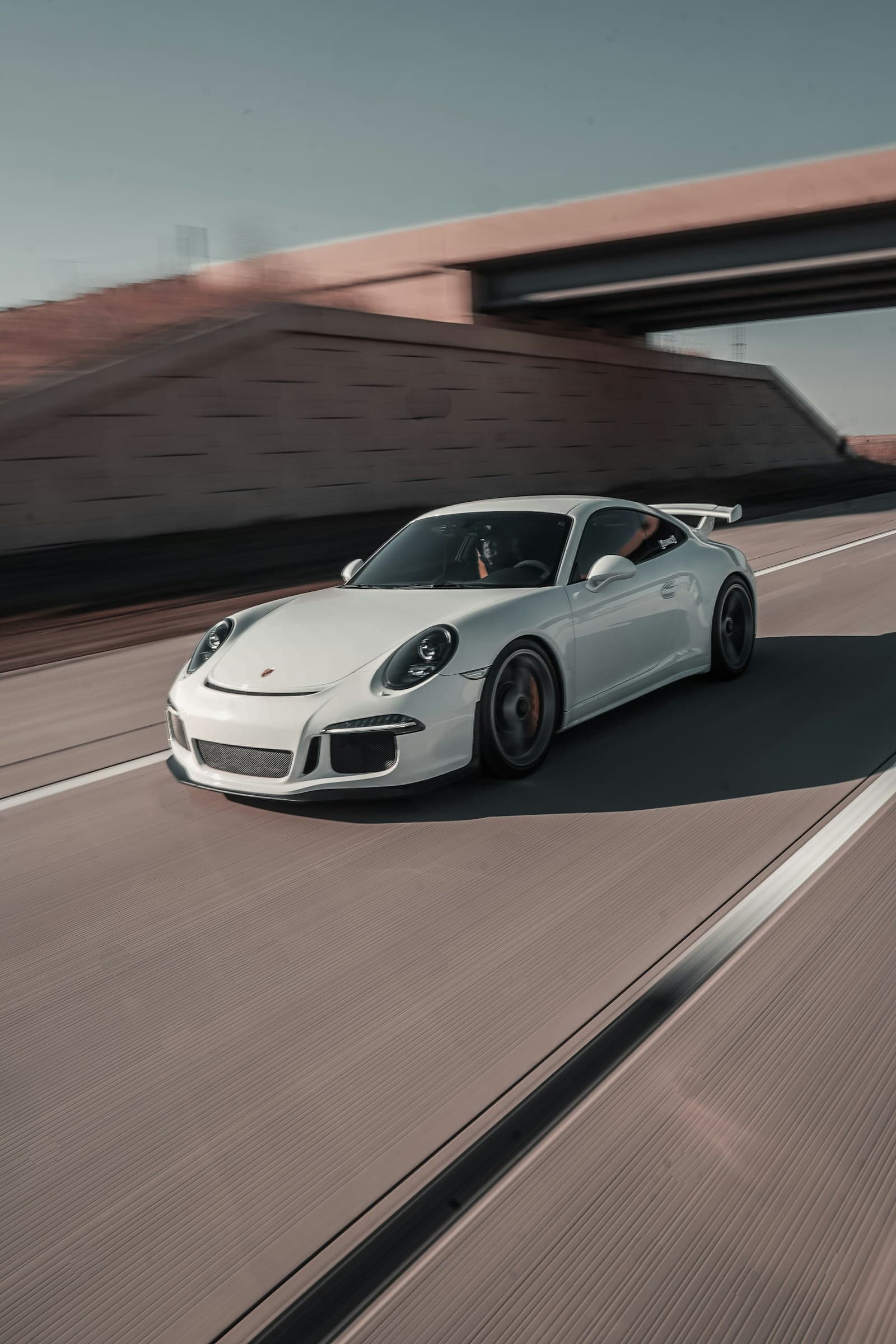

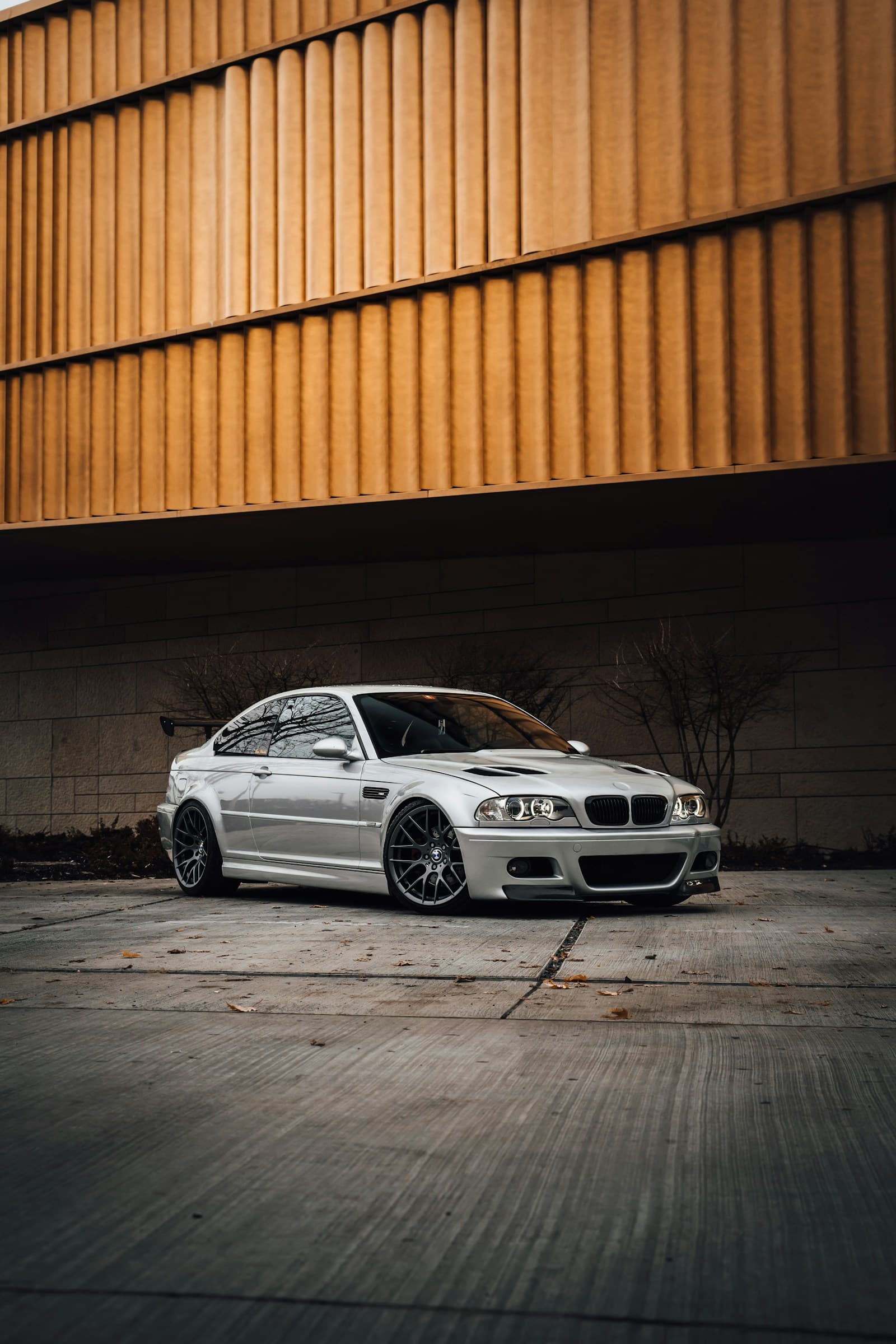
What Is a Stance Car?
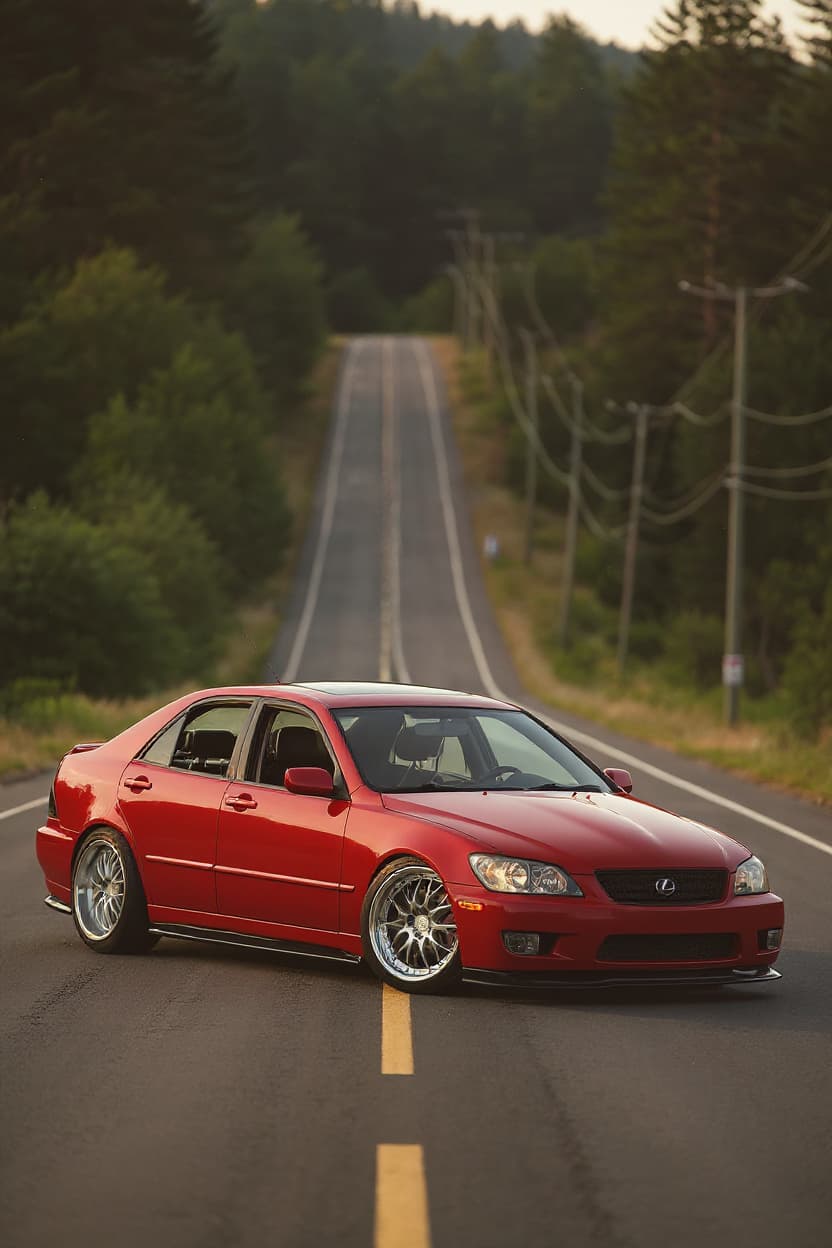
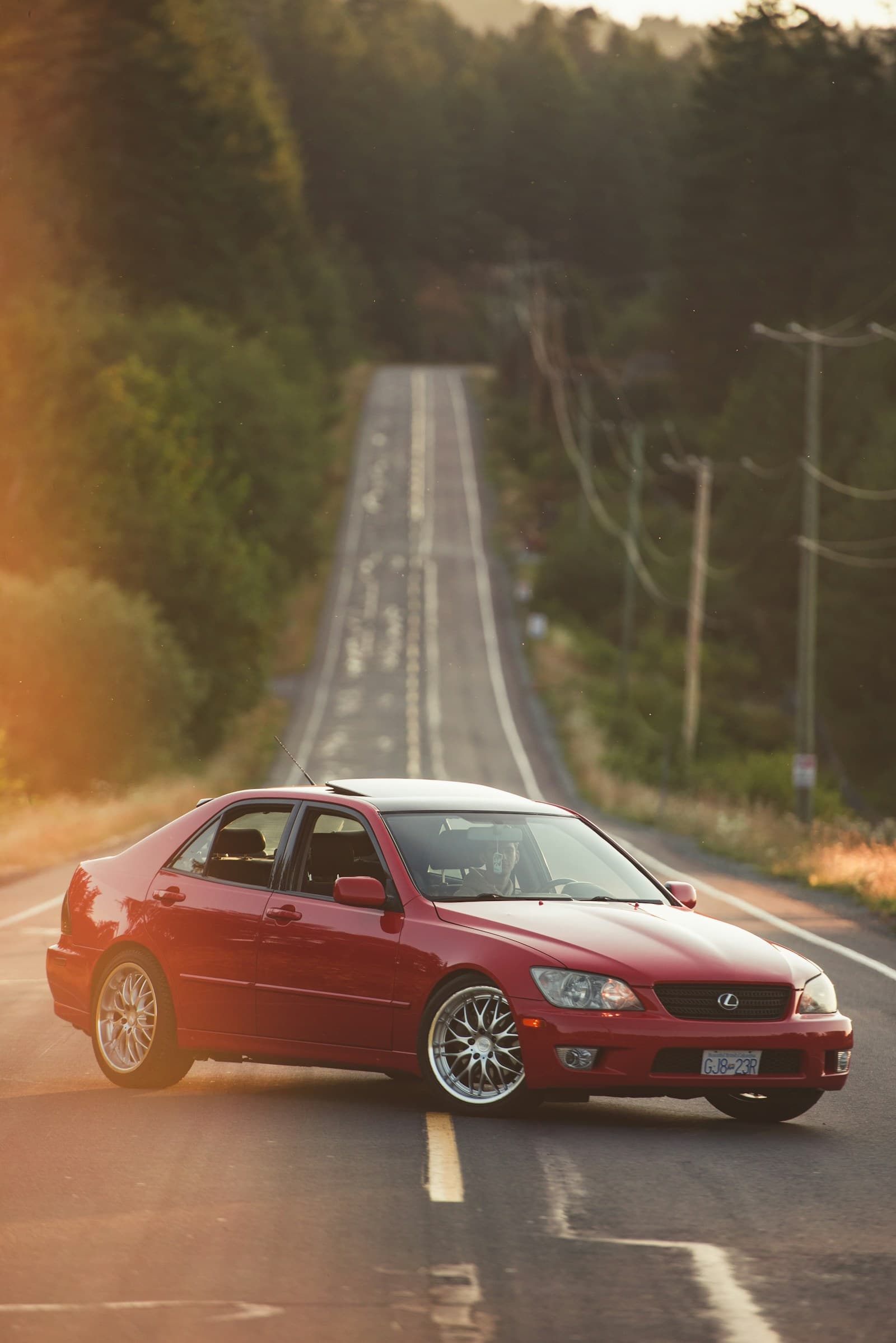
A stance car is one set up so that the wheels sit perfectly flush, or aggressively beyond. The outer edge of the fender. It's a fitment aesthetic first, performance second. The defining ingredients are a dramatically lowered ride height, negative wheel camber on all four corners, and aftermarket wheels with the exact offset needed to fill the fender arch without rubbing. Done right, the car looks like it was built around the wheels rather than the other way around.
Stance comes in two flavours: static (coilover-based, always slammed) and dynamic (air ride, raise-and-lower on demand). Static is purer to the original hellaflush ethos. The car commits, every drive is a calculation. Air ride sacrifices some purity for daily usability. Both are valid; both have devoted communities.
The Culture: Hellaflush, Stanceworks, and the Japanese Roots
Stance culture has dual origins. In Japan, the "onikyan" (demon camber) bosozoku-adjacent scene pushed extreme negative camber and ground-scraping ride heights for decades. In the US, the modern "hellaflush" aesthetic crystallized around 2007 in Southern California, exported globally through forums and Instagram. Sites like Stanceworks, Fitment Industries, and StanceNation became the editorial voice; meets like Wekfest and H2Oi became the showcase.
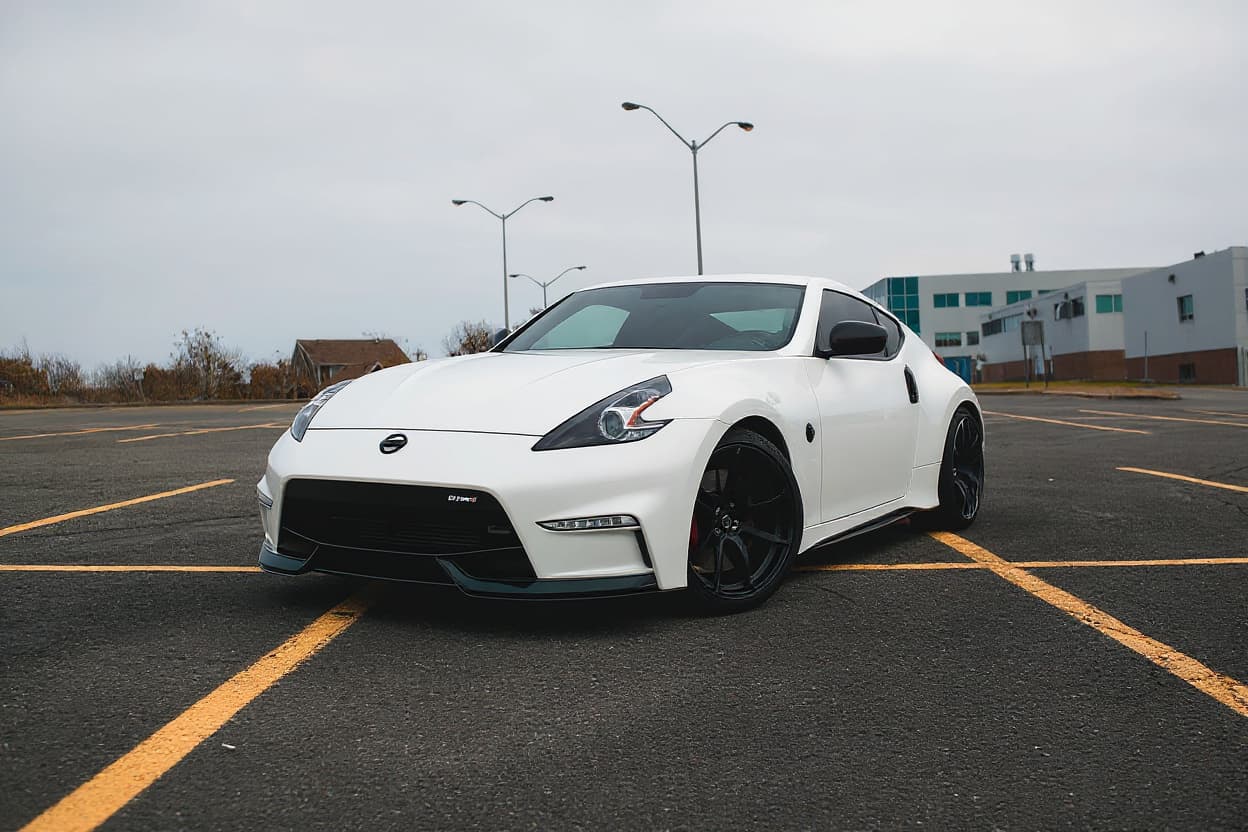
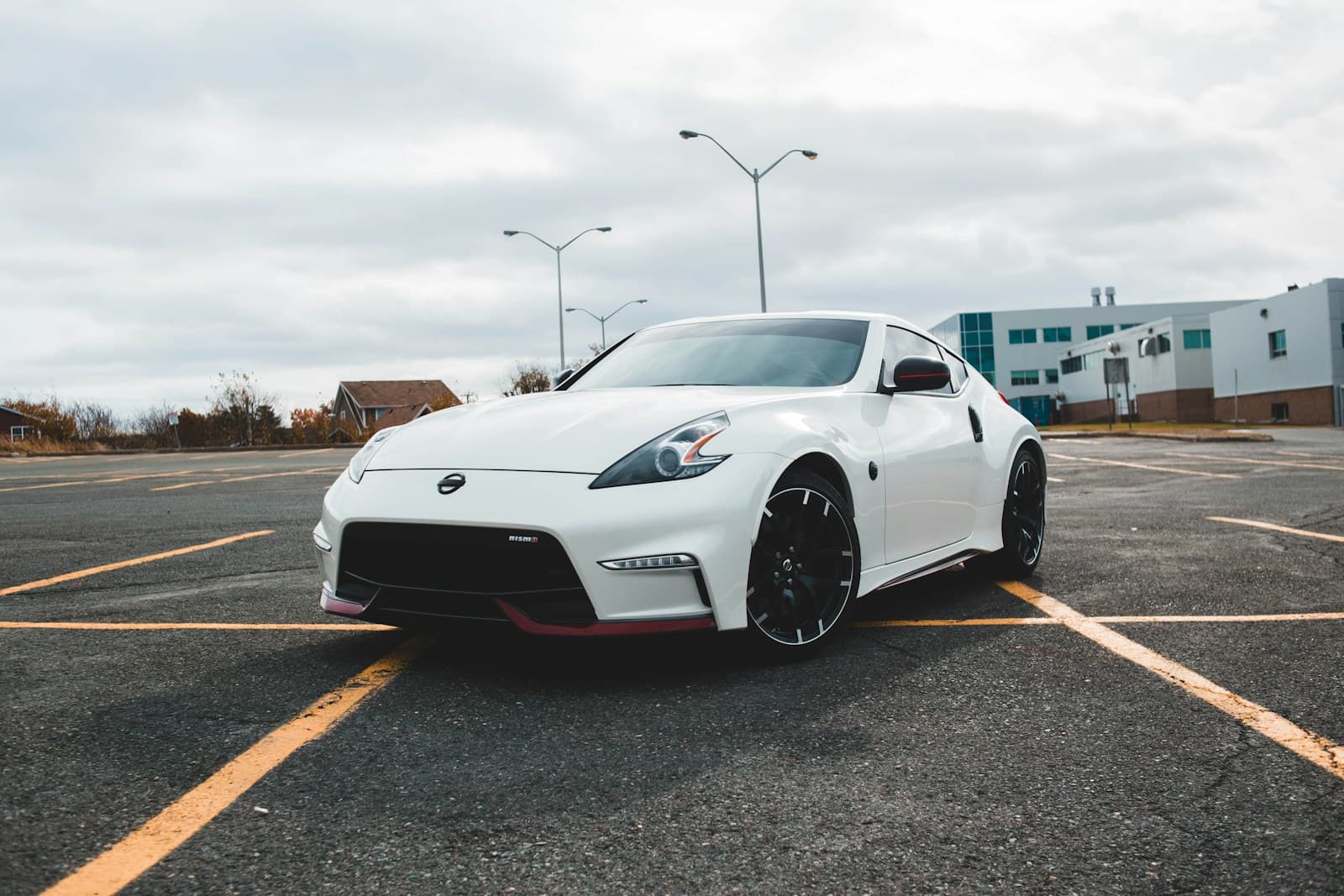
The platforms that became stance icons reflect that history: VW Golfs and Audis on the Euro side, BMW E46 and E92 chassis on the German performance side, Lexus IS and Nissan 240SX/350Z on the Japanese side, with Honda Civics, Mazda Miatas, and Subaru WRXs filling out the deep enthusiast bench. Each platform has its own wheel-and-coilover combo that the community has dialed in over thousands of builds.
What Goes Into a Real Stance Build
A proper stance setup is a stack of decisions, not a single bolt-on:
- Suspension: Coilovers (BC Racing, KW, Fortune Auto, Bilstein) for static, or full air ride (Air Lift Performance, AccuAir) for dynamic.
- Camber correction: Camber arms, camber plates, or eccentric bolts to dial in the exact angle you want.
- Wheels: Forged or cast wheels with the right offset, width, and lip depth. Three-piece wheels (BBS RS, Work Meister) are stance staples.
- Tire stretch: Narrower tire than the wheel calls for, mounted at higher pressure, to pull the sidewall in for that poked-look.
- Fender work: Rolling, pulling, or cutting the inner fender lip to clear the new fitment.
Real Stance Build Costs
Budget-tier stance, entry coilovers ($600–$1,000), a used set of staggered wheels ($800–$1,500), and a couple hundred for camber arms, gets you to a respectable look for under $3K. A mid-tier static build with quality coilovers (KW V3, Fortune Auto 500), forged 3-piece wheels (BBS, Rotiform), and pulled fenders typically lands $5K–$10K all-in. Full air ride builds with proper management, tank, and a clean trunk install regularly hit $10K–$15K once you add show-quality wheels.
The reason visualization matters: most of that cost is unrecoverable once committed. Wheels can be resold, but rolled fenders, cut bump stops, and modified subframes can't. A 30-second AI render lets you check whether your specific car wears the stance aesthetic well. Before you spend a dollar.
How to Choose a Stance Direction
The three dominant stance directions are clean USDM hellaflush (subtle drop, mild camber, tasteful wheel choice), aggressive Japanese onikyan (extreme camber, slammed static, often paired with body kits), and Euro stance (slammed ride height, polished 3-piece wheels, restrained colour palettes). Each platform suits some directions better than others, a Lexus IS rewards Japanese-aggressive fitment; an Audi A4 wears Euro stance like a glove. Picking the right direction for your specific car is the difference between a build that looks intentional and one that looks like parts thrown together.
What Our AI Render Shows (vs. a Real Stance Build)
Our AI render captures the visual transformation: lowered ride height, negative camber, deep-dish wheel fitment, tucked fender lips. It's real enough to confirm whether the stance aesthetic suits your specific car, colour, and proportions before you order coilovers or wheels.
What it doesn't replace: the actual offset math, the fender-roller, or the alignment shop. Use it to validate direction, then bring the render to your shop or wheel supplier to make the parts decision. Most users find that one render saves them an afternoon of forum-scrolling and a thousand dollars of wrong-spec wheels.