What Is a Custom Car Wrap?
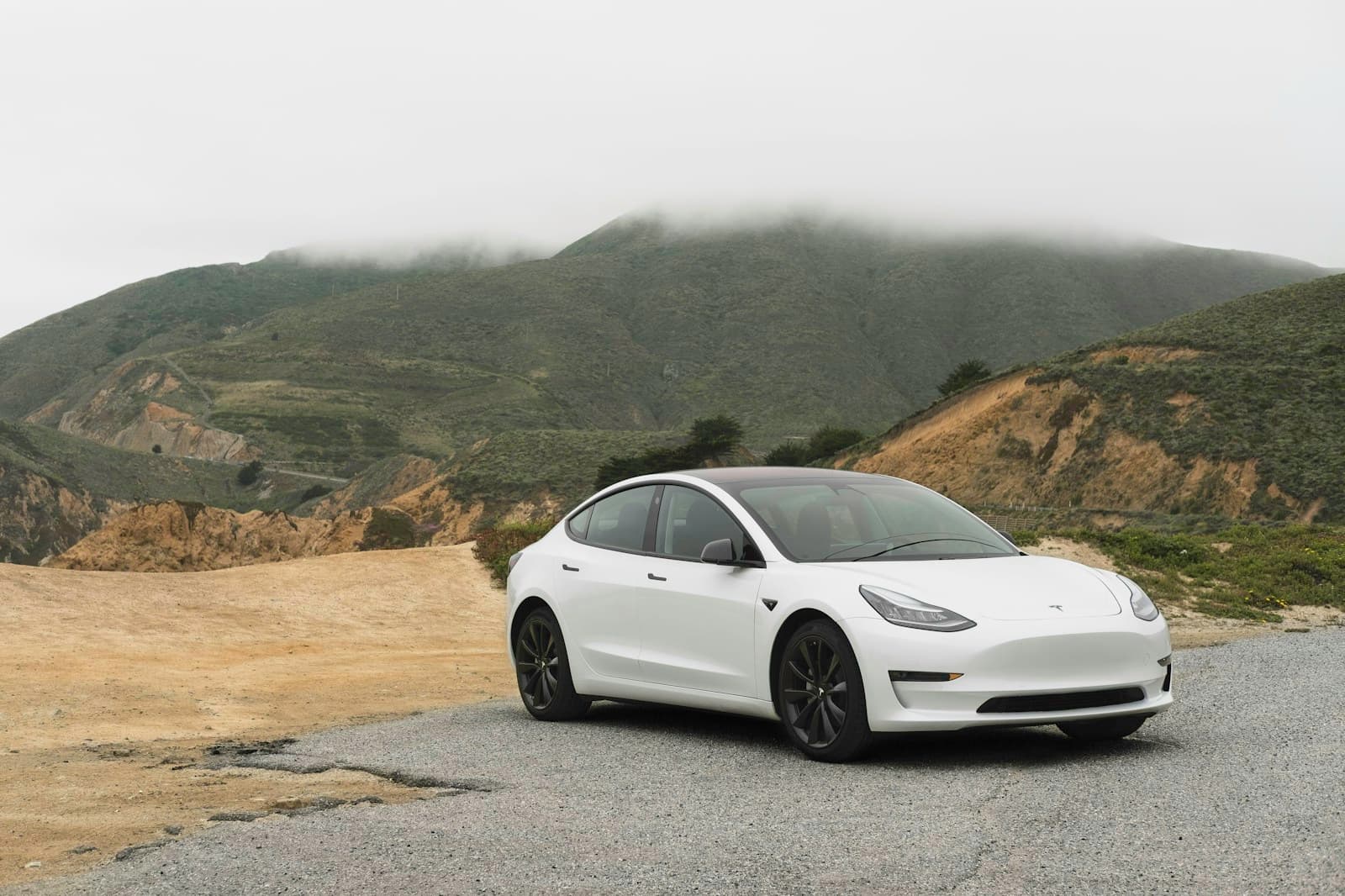
A custom car wrap is a thin printed or coloured vinyl film professionally applied over the original paint, completely transforming the car's appearance without affecting the factory finish underneath. Wraps come in hundreds of finishes, gloss, satin, matte, chrome, brushed, pearl, color-shift. And are fully reversible. Peel the wrap off in five years and the original paint is preserved exactly as it was.
The category exploded in the early 2010s as 3M, Avery, and KPMF released cast-vinyl films designed specifically for vehicle wrapping, thicker, more durable, and more conformable than the old printed-vinyl tradition. Today, a properly installed premium wrap is a legitimate alternative to a paint job for anyone wanting a colour change without commitment.
Wrap Finishes: The Full Spectrum
The finish you pick has more visual impact than the colour. The seven dominant finish families:
- Gloss: Mimics factory paint. High reflectivity, deepest colour. Cheapest, easiest to install.
- Satin: The popular middle ground. Soft sheen, looks expensive on luxury platforms. Hides minor swirls.
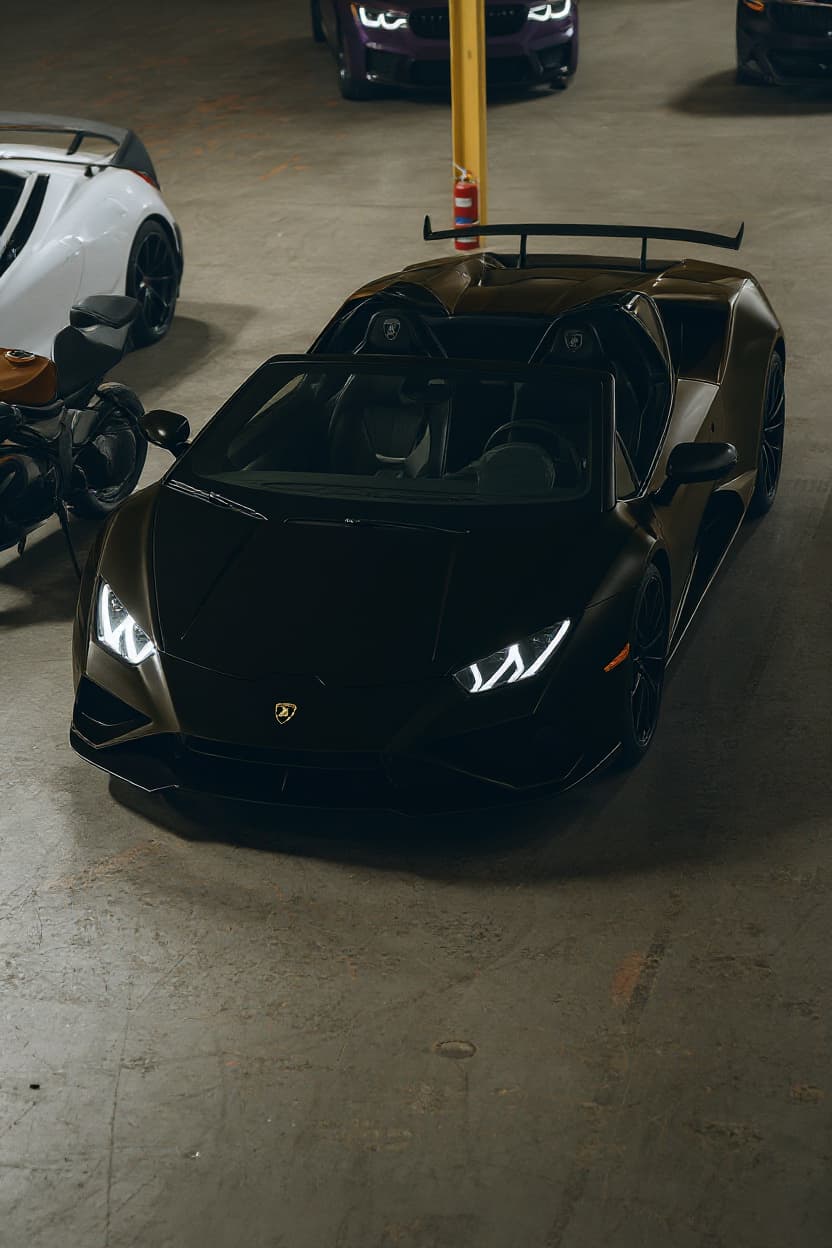
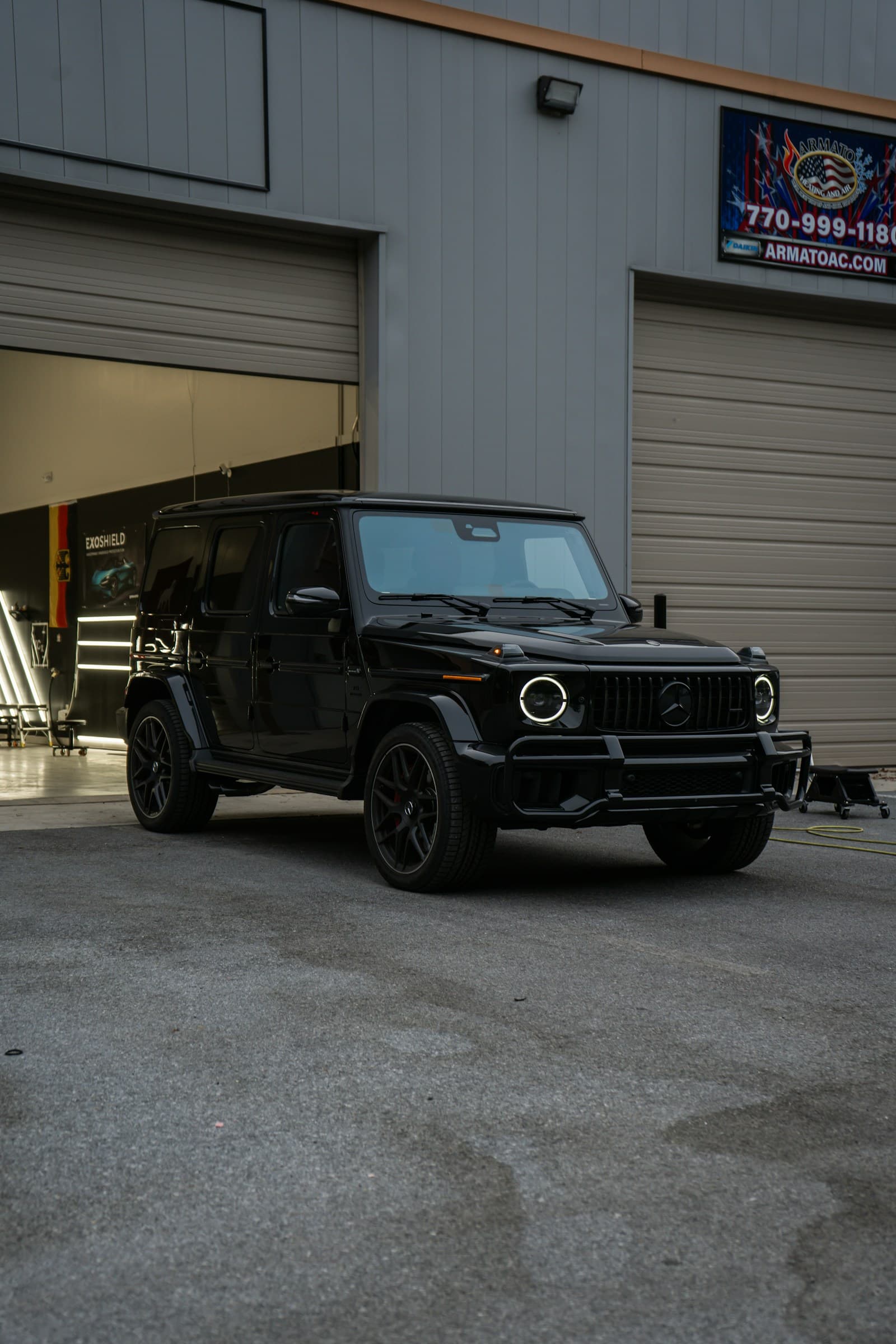
- Matte: Completely flat finish, no reflectivity. Aggressive aesthetic. Harder to maintain. Fingerprints and polishes ruin it.
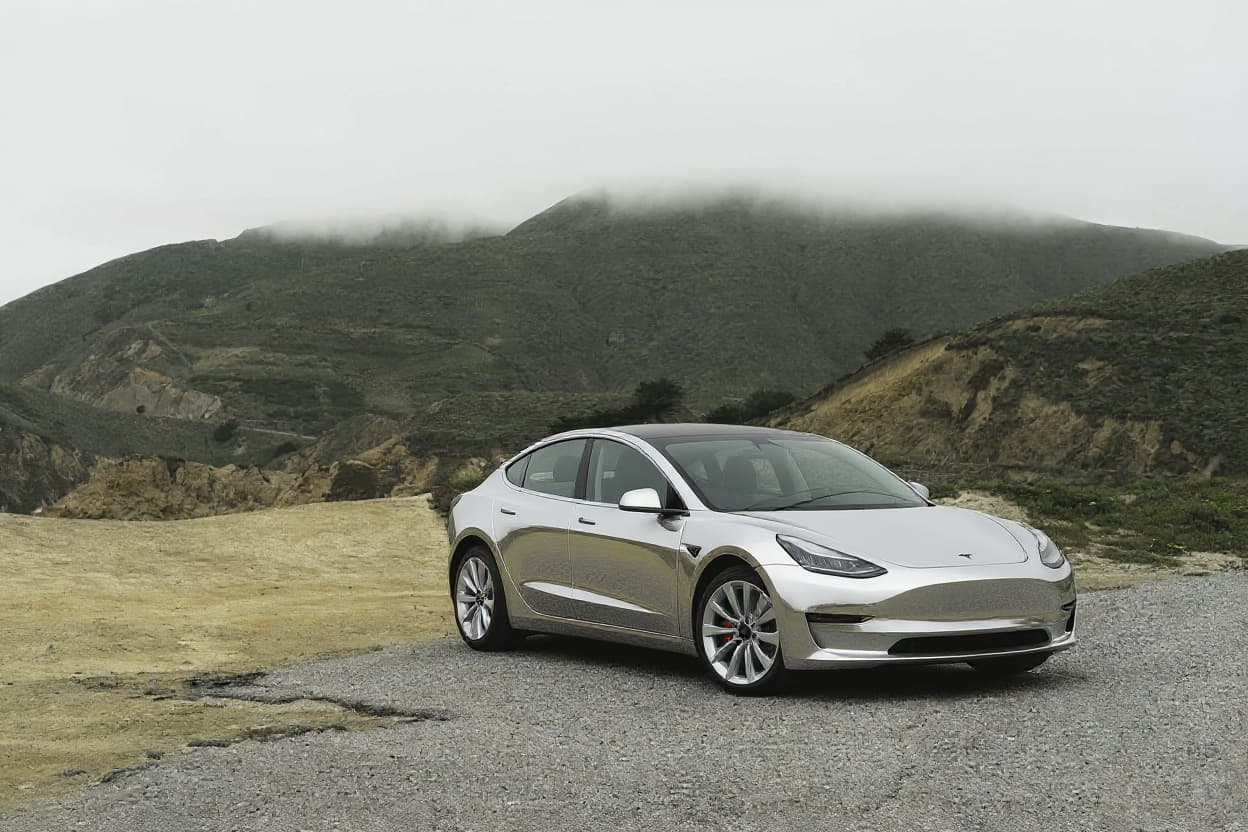
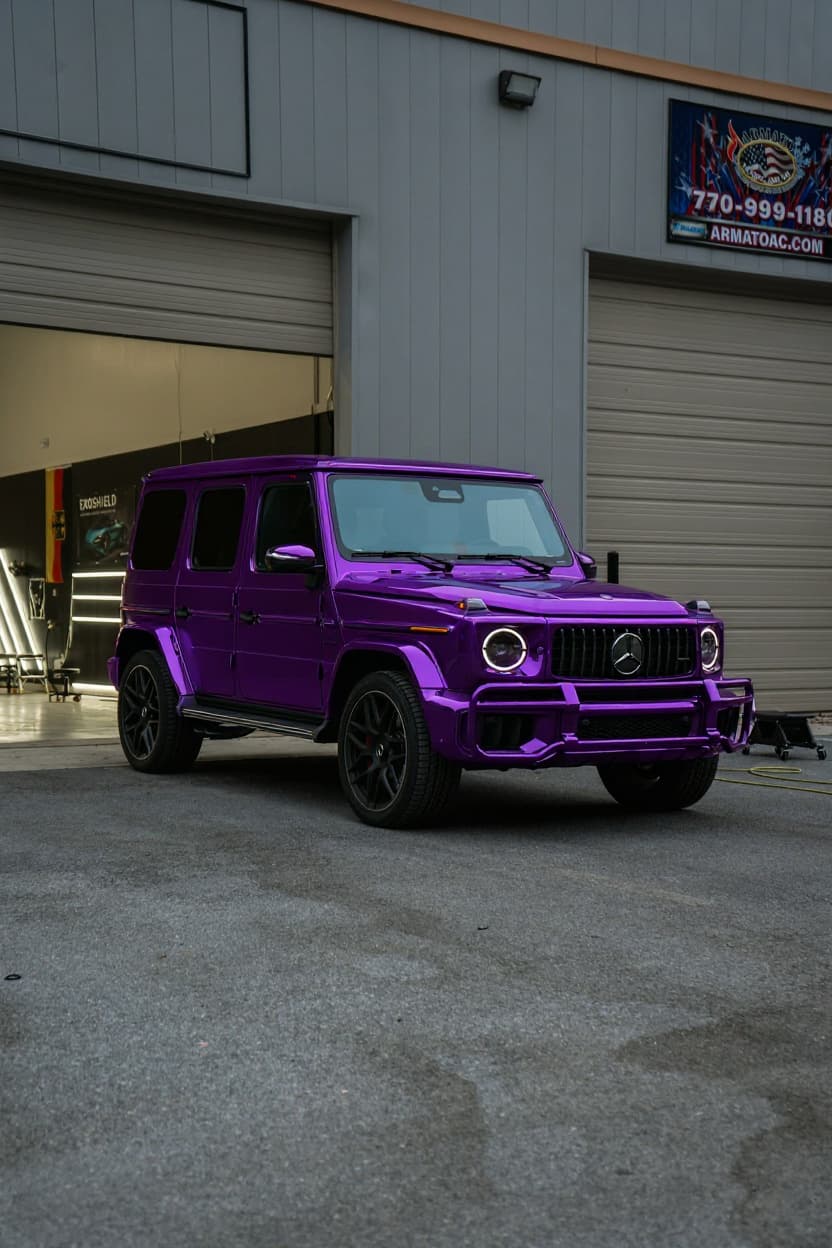
- Chrome: Mirror-reflective metallic. Show-stopper. Most expensive, most fragile, most attention.
- Pearl / Iridescent: Colour shifts based on viewing angle. Most dramatic in sunlight; flat in shade.
- Brushed: Aluminium-look finish with directional grain. Looks like brushed metal, very on-trend for German platforms.
- Color-shift / Flip: Shifts between two distinct colours depending on angle (purple-to-blue, green-to-gold). Maximum visual drama.
The Brands That Matter
Vinyl quality is not a commodity. The four premium-tier manufacturers, 3M (2080 series), Avery Dennison (SW900), KPMF, and Hexis, produce films that conform around complex shapes, resist UV, and remove cleanly after years of installation. Mid-tier brands like Inozetek and TeckWrap have closed the gap recently and offer specialty colour-shift options the premium tier hasn't matched. Bargain-bin vinyl from unbranded sources is where DIY installs go to die, it stretches unevenly, lifts at the edges, and ruins paint when removed.
Your installer matters more than the vinyl. A great installer on mid-tier vinyl will outlast a mediocre installer on premium vinyl every time. Look for shops certified by the manufacturer (3M PSA, Avery Dennison Certified), that's the minimum bar for a wrap that lasts five years.
Real Wrap Costs
A full-car gloss wrap on a standard sedan runs $2,500–$4,000 at most quality shops. Same car in satin: $3,000–$5,000. Matte black: $3,500–$5,500. Chrome or color-shift: $5,500–$9,000+. SUVs and exotic supercars add 20–40% to those figures because of surface area and panel complexity. Add another $500–$1,500 for paint protection film (PPF) on high-impact zones, front bumper, headlights, fenders, which protects the wrap from rock chips.
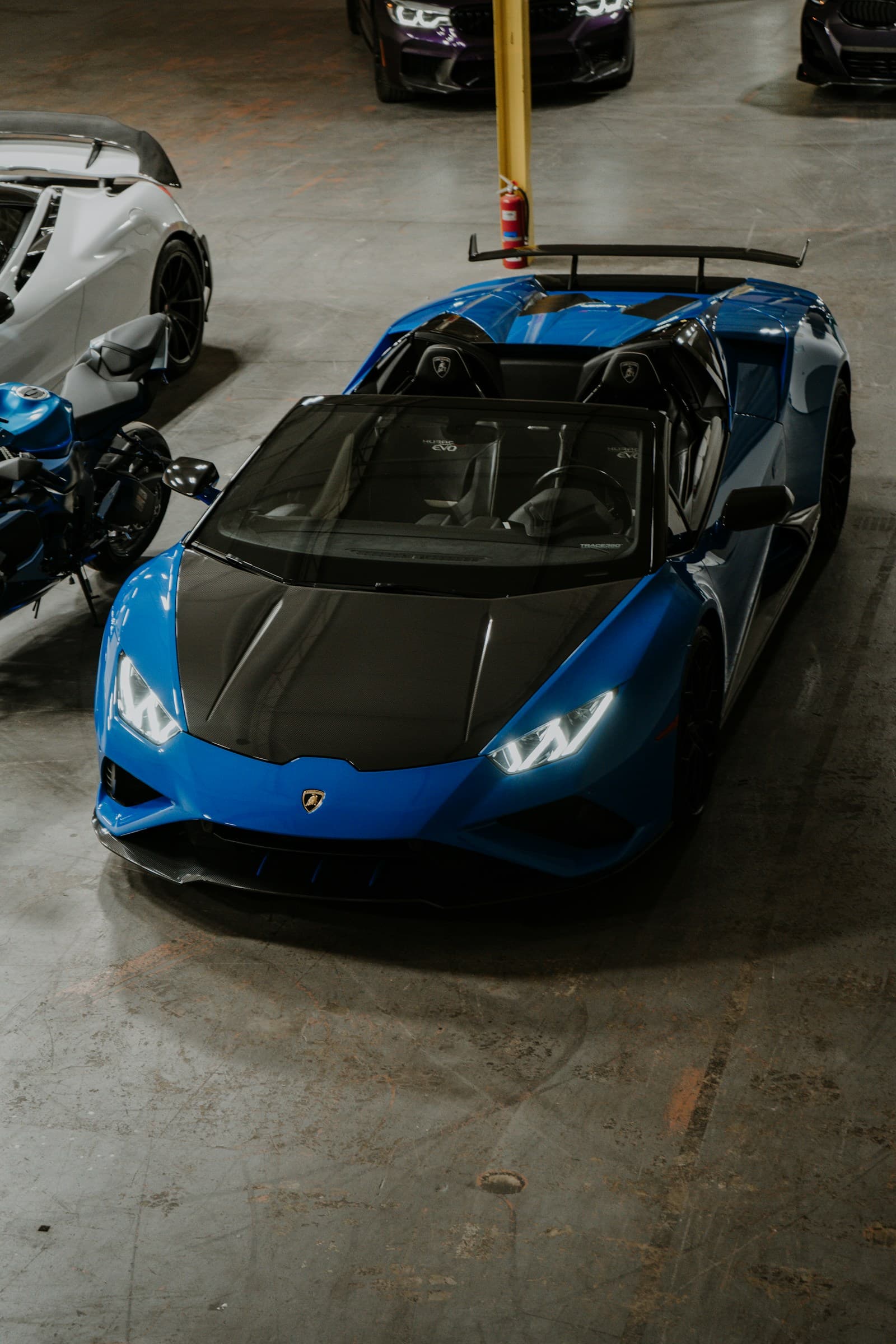
Visualisation matters because finish has dramatic platform-specific results. Matte black looks aggressive on a Huracán and dated on a sedan. Pearl white reads luxury on a Range Rover and bridal on an Accord. A 30-second AI render shows you which wrap works for your specific car before committing five figures.
How to Pick the Right Wrap
Four decisions drive the outcome: colour direction, finish type, accent strategy, and platform fit. Colour and finish are obvious, but most wraps fail because the accent strategy was ignored. A satin wrap with chrome trim and black wheels reads clean; the same wrap with chrome trim and chrome wheels reads tacky. Plan the wrap with the wheel finish, trim chrome (delete or wrap to match), and any black-out accents (window trim, badges) as one design decision, not three. The AI render shows the full result, wrap, wheels, trim, accents, in one image.