What Is JDM Style?
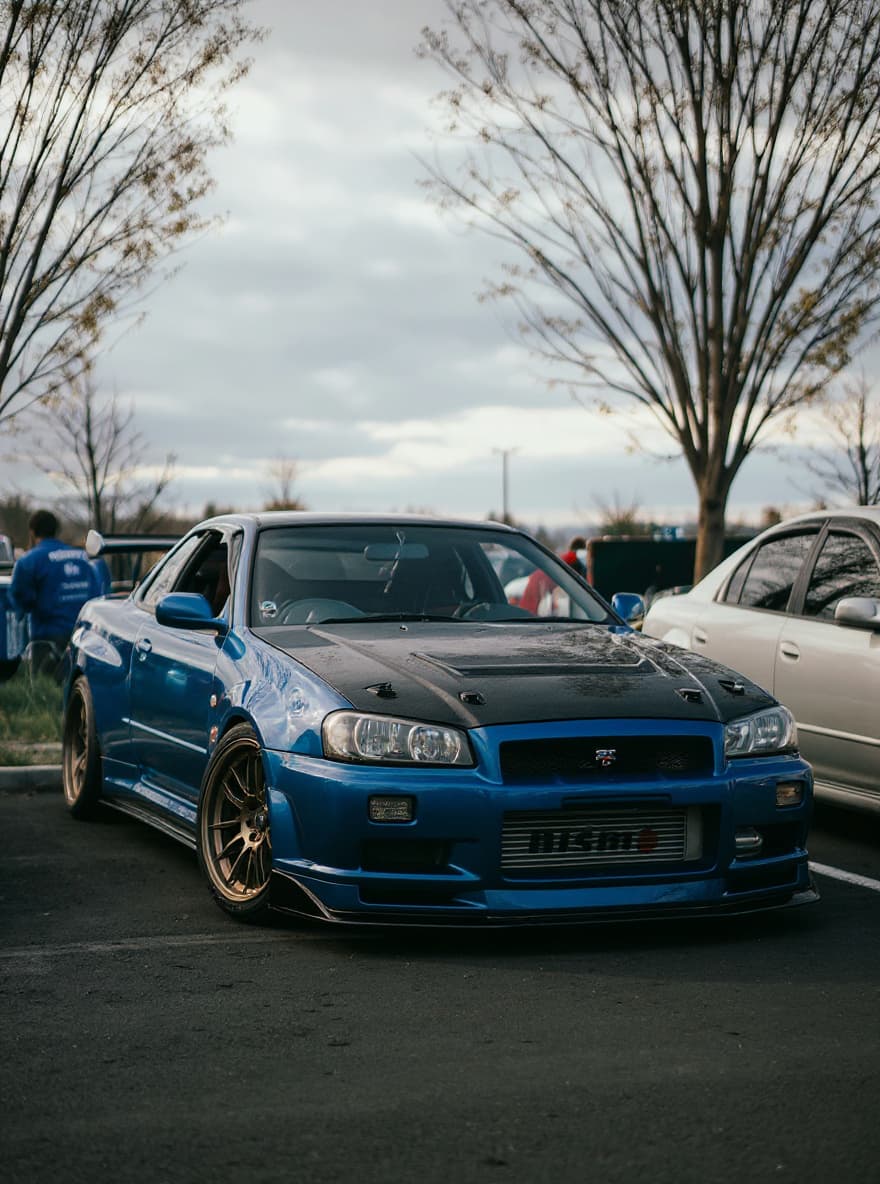
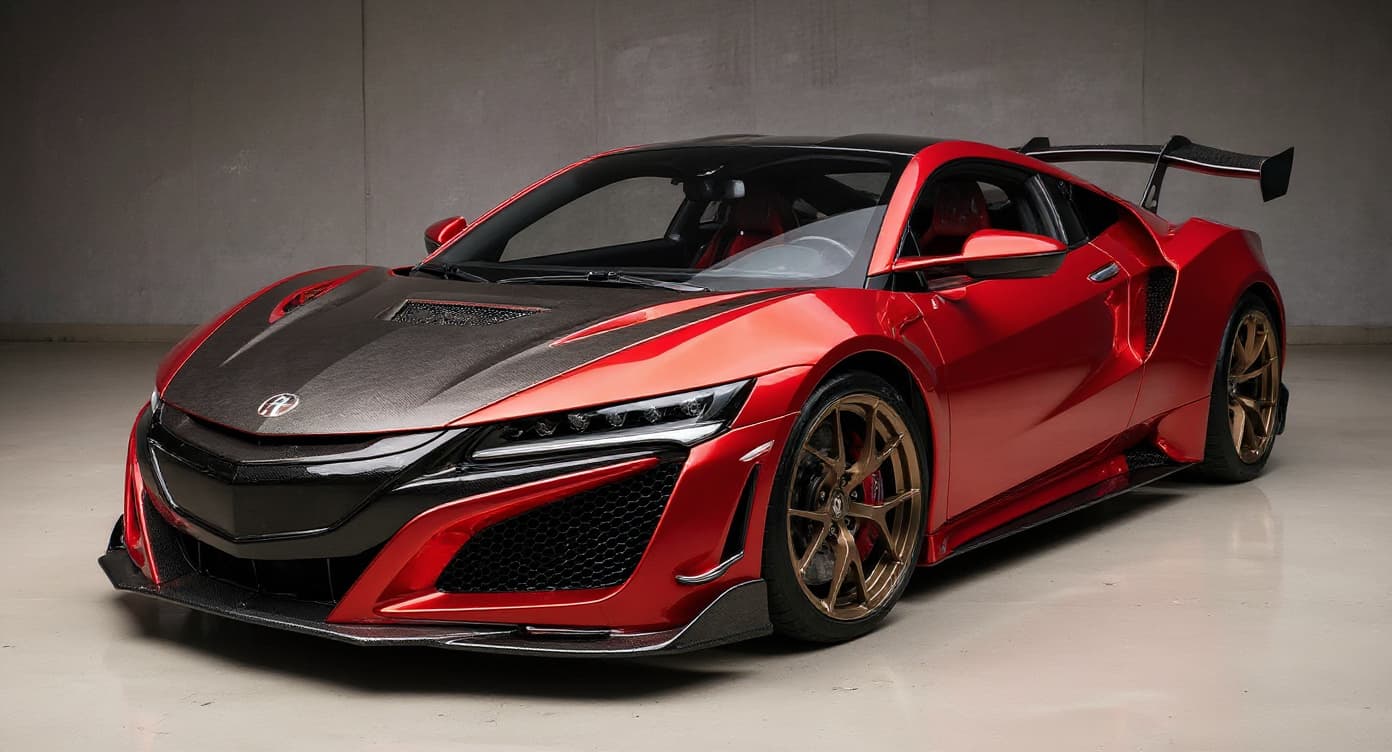
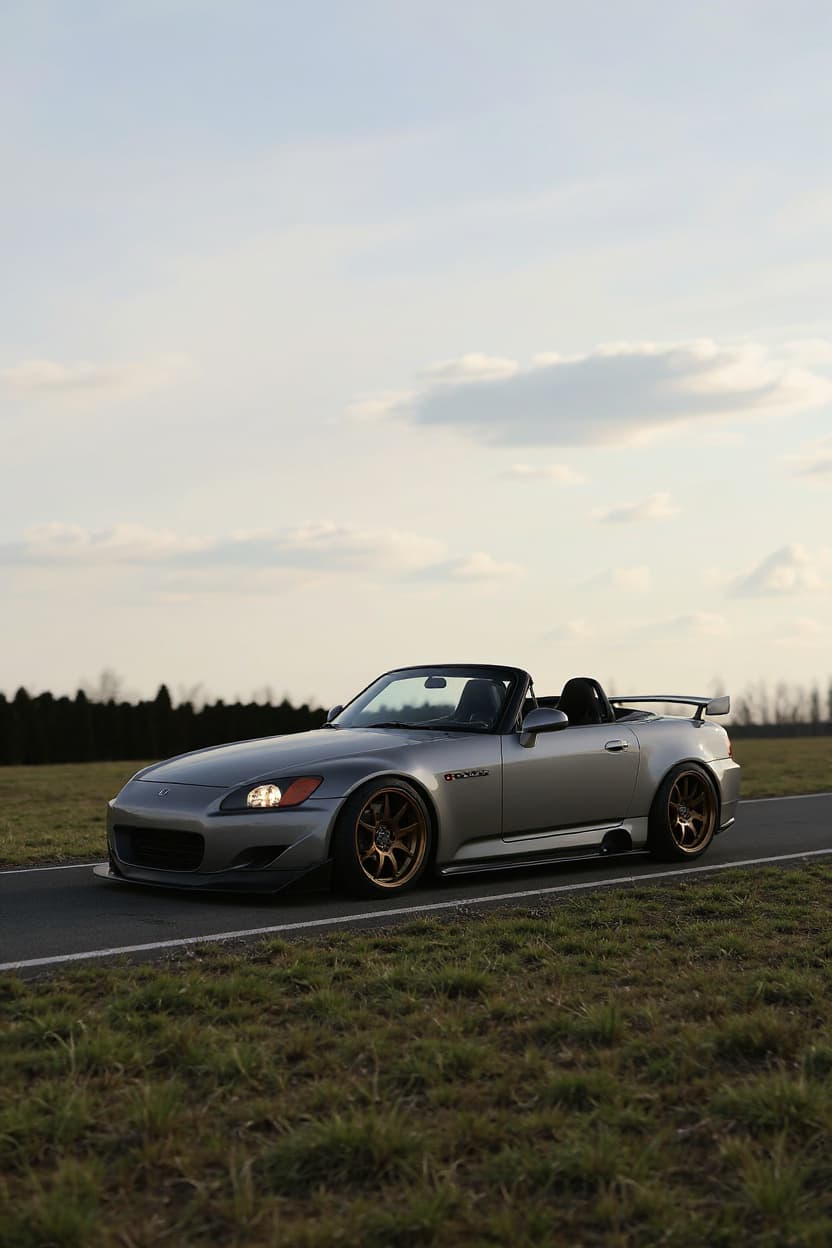
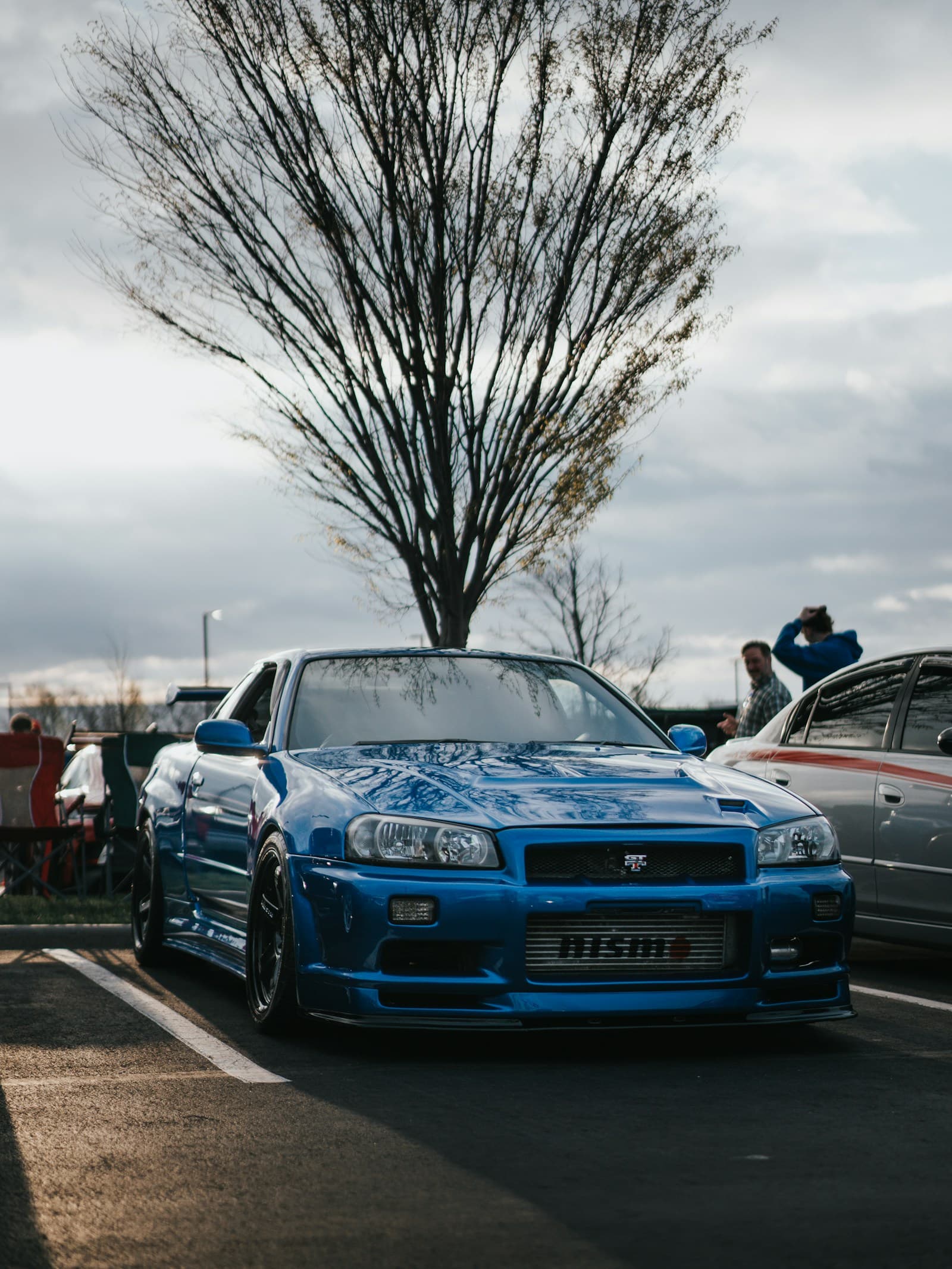
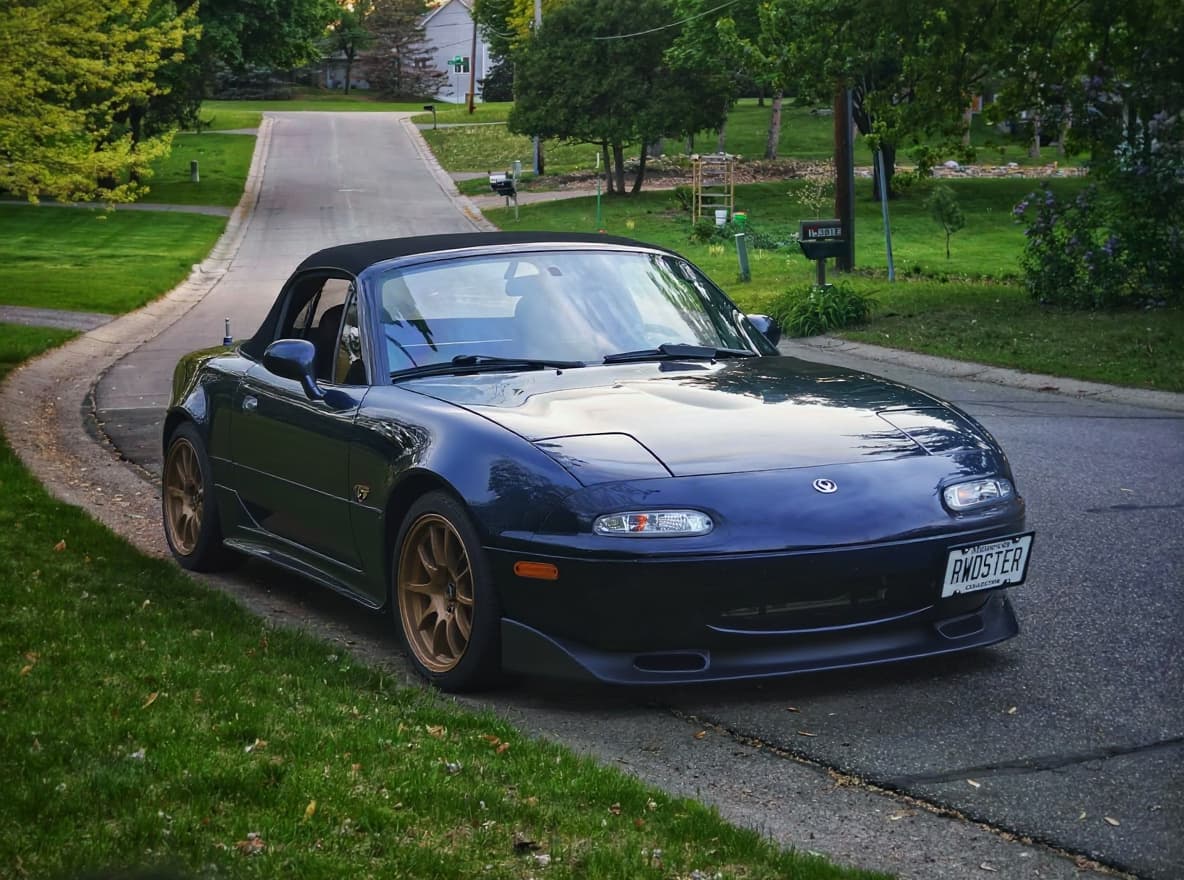
JDM style is the visual language of Japanese tuner culture: low ride heights, bronze or gunmetal forged wheels (Volk Racing TE37, RAYS, Work Wheels), a low front lip with subtle canards, side skirts, and a high-mount rear GT wing on serious builds. Carbon-fibre hoods with functional vents, JDM-spec headlights, and aero mirrors complete the look. The aesthetic prioritises purposeful aggression over show-car flash, every aero choice should look like it earns its keep on the touge.
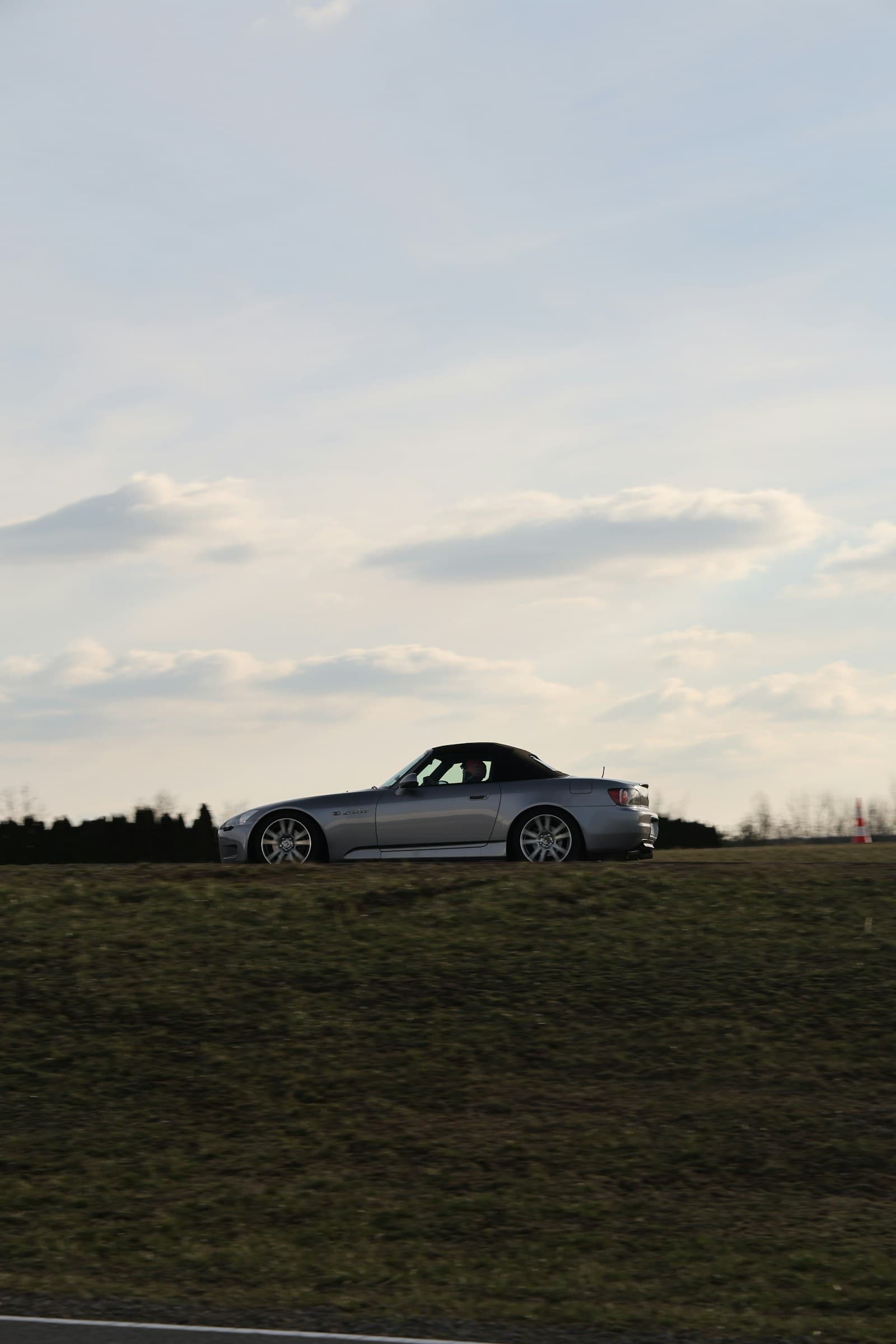
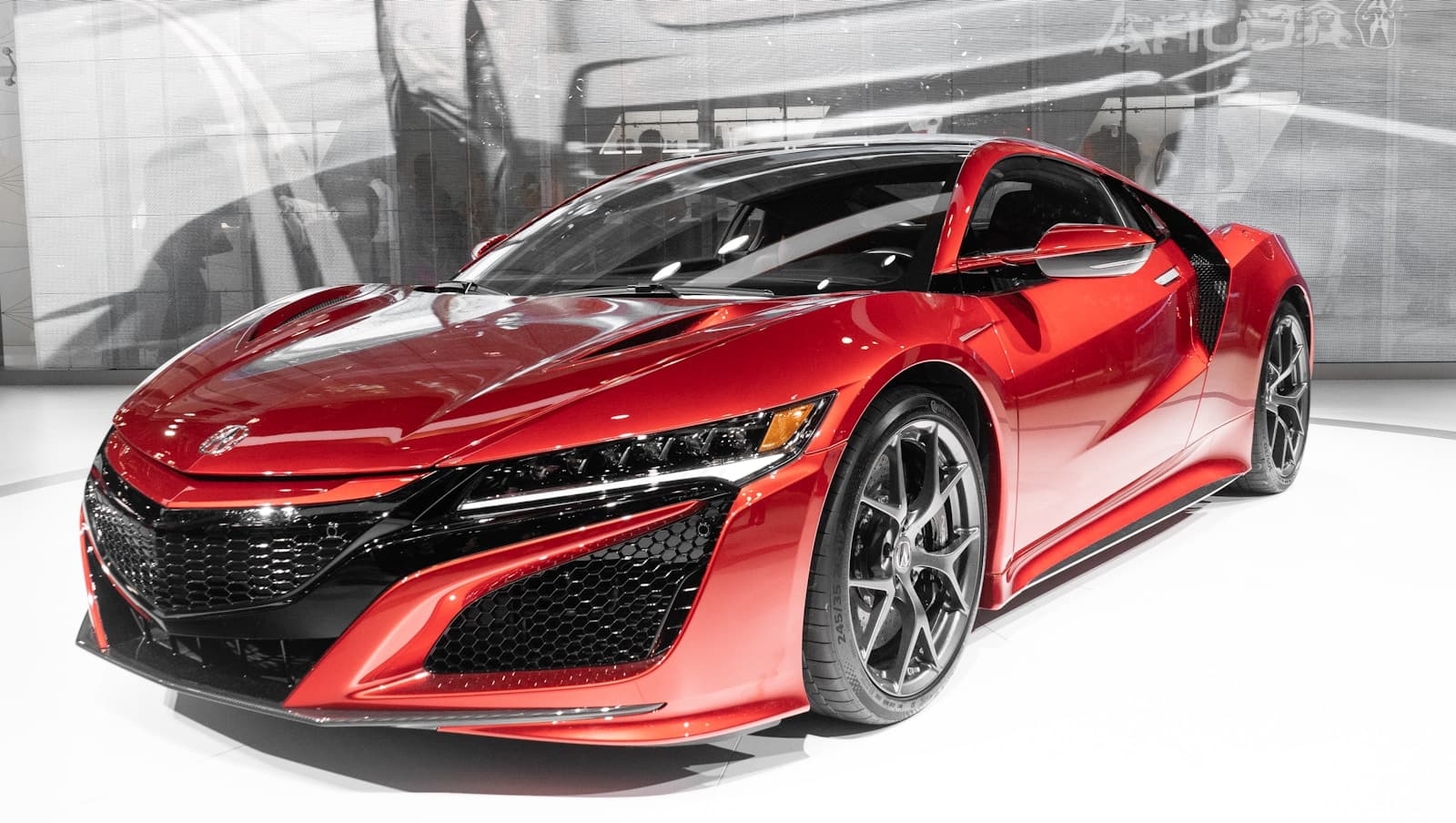
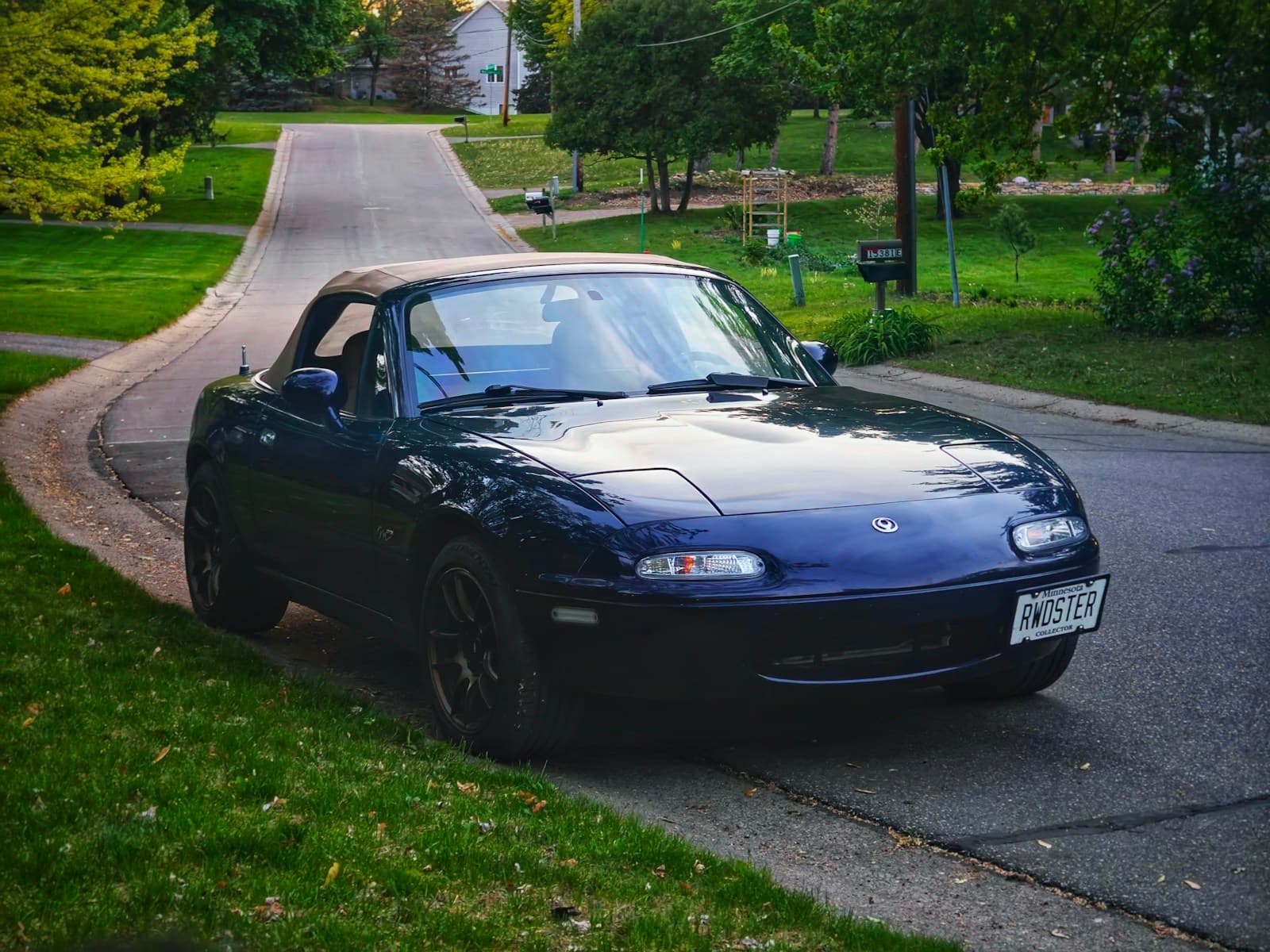
The platforms that defined the look came out of Japan's Bubble-era performance boom: Nissan Skyline GT-R, Toyota Supra MK4, Honda NSX, Mazda RX-7 FD, Mitsubishi Lancer Evolution, Subaru Impreza WRX STI, Honda S2000, Toyota AE86, Mazda MX-5. Each has its own JDM canon, the wheel choice, the spoiler, the lip kit that look right.
The Culture: Touge, D1, and the Initial D Effect
JDM tuner culture grew out of Japan's touge mountain-road scene in the late 1980s, illegal late-night runs on tight, winding routes where AE86s and Skylines proved themselves against each other. Magazines like Option, Best Motoring, and Hot Version documented it; Keiichi Tsuchiya became its public face. The Initial D manga (1995) and anime (1998) exported the culture globally, then the Fast & Furious franchise made it mainstream from 2001 onward.
The 1990s Japanese performance cars, Skyline GT-R R32/R33/R34, Supra MK4, RX-7 FD, Evo I-VI, Impreza 22B, were revolutionary. Many outperformed European supercars of the same era at a fraction of the price. That combination of performance, accessibility, and cultural mystique is what cemented the JDM aesthetic globally.
The JDM Mod Canon
A proper JDM build follows a fairly canonical recipe. Skip parts of it and the car reads "JDM-inspired" rather than authentic:
- Bronze/gunmetal wheels: Volk Racing TE37 (the canonical choice), RAYS Engineering, Work Wheels, Watanabe, or SSR. Bronze or gunmetal finish; never chrome.
- Quality coilovers: HKS, Tein, KW, Cusco. 1.5–2.5 inch drop, balanced for street touge work.
- Front lip + side skirts: Mugen, Spoon (Honda), BN Sports, Origin Lab. Subtle is more JDM than aggressive.
- Rear spoiler/wing: Ducktail for street, high-mount GT wing with swan-neck mounts for serious builds. Voltex, Varis, ASM.
- Carbon hood: Functional vents or scoops. Spoon, Seibon, J-Spec. Performance gain is minor; cultural signal is strong.
- Windshield banner + tow hook: Brand banner (Mugen, HKS, etc.) along the top of the windshield; a billet front tow hook in the bumper. Free-cost details that complete the look.
Real JDM Build Costs
A budget JDM-style build on a $5K platform (Miata, 240SX, Civic Si, Lexus IS): used bronze TE37 replicas at $800, basic coilovers at $1,000, front lip and side skirts at $800, ducktail spoiler and small mods at $500, call it $3K all-in for a respectable street build. Premium JDM build with genuine Volk TE37s ($3,000+), quality coilovers (KW, HKS) at $2,000, full aero kit (Mugen, Spoon, BN Sports) at $3,000, carbon hood at $1,500, plus engine work, easily $15K all-in on a clean platform.
The visualisation question is acute because JDM proportions matter. The same TE37 width and offset looks right on a Skyline and wrong on a sedan. The same wing height reads aggressive on an FD RX-7 and silly on a daily driver. A 30-second AI render lets you confirm what fits your platform before spending real money.
Pick Your JDM Direction
Three sub-directions dominate the JDM scene today. Street-touge spec leans subtle, clean low stance, classic bronze wheels, just enough aero to look intentional. Touge-aggressive layers on bigger wings, deeper aero, and meatier wheel widths, aimed at fast-paced canyon and trackday driving. Bosozoku-influenced builds exaggerate everything, exit pipes, oni-camber, riveted overfenders, extreme stance. Pick a direction before you start spending; mixing styles is the most common reason a build looks scattered rather than intentional.
What Our AI Render Shows
Our AI render captures the full JDM visual transformation: lowered stance, bronze or gunmetal wheels with the right offset and lip depth, front lip and side skirts, rear spoiler/wing, and a carbon-fibre hood. It's real enough to confirm whether the JDM aesthetic suits your specific platform, colour, and proportions.
What it doesn't replace: the part-by-part fitment research, the wheel-offset math, or the genuine vs replica decision. Use the render to validate direction, then bring the result to your fabricator or wheel supplier as a brief. Most users find one render saves them weeks of forum-scrolling.