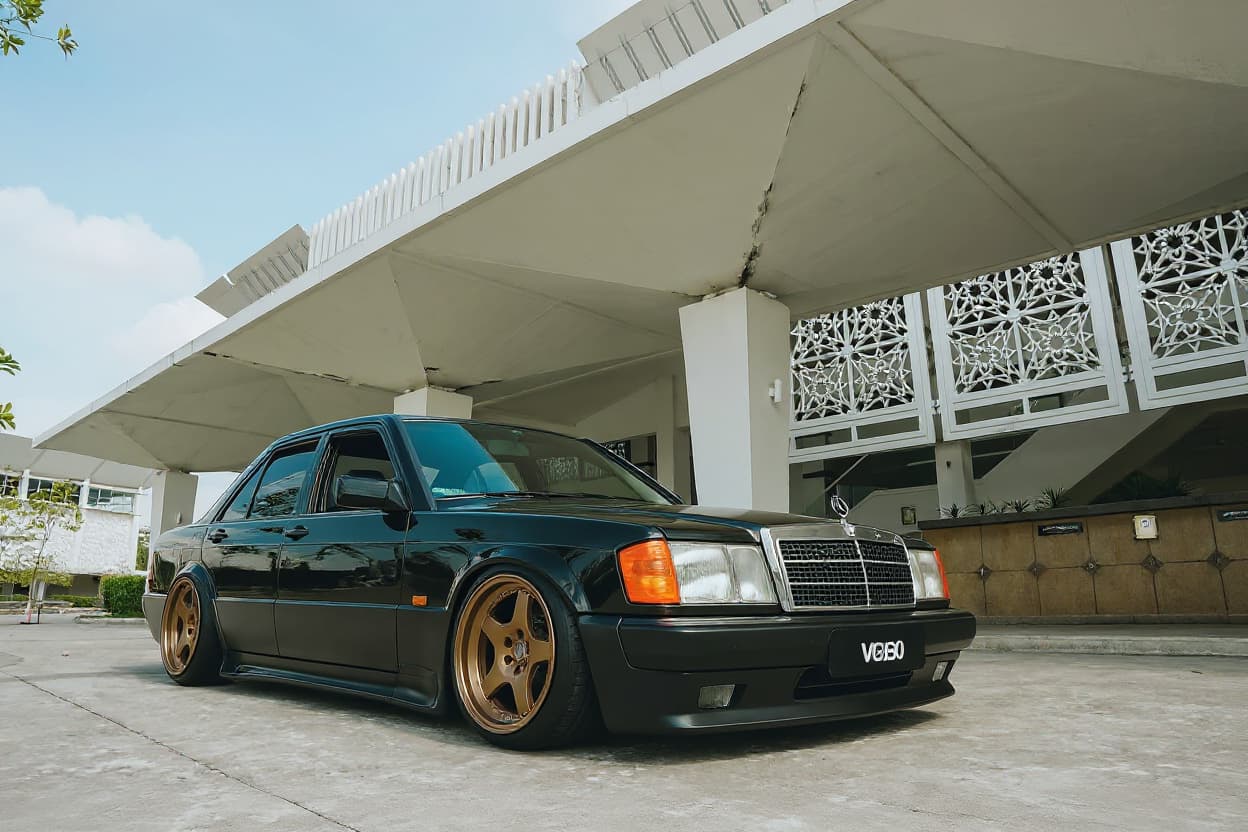
 AI render · Car Wraps
PPF vs Ceramic Coating: Which One Actually Protects Your Paint?
Quick answer
What is the difference between PPF and ceramic coating?
PPF is a 6–8 mil urethane film that physically absorbs rock chips and self-heals light scratches. Ceramic coating is a micron-thin chemical layer that adds gloss and repels water, dirt and chemicals.
- PPF stops what hits the car; ceramic stops what lands on it.
- Ceramic is microns thick and cannot stop a rock chip.
- PPF lasts 7–10 years; ceramic 2–5 before it is stripped and redone.
- Full-car PPF is $3,500–$8,000+, often more than a quality vinyl wrap.
If you have just bought a car you care about, you will run into the same fork in the road every detailer and forum thread points at: PPF vs ceramic coating. They get talked about as competitors, but they are not really the same kind of product. Paint protection film (PPF) is a thick, physical layer that takes the hit from rock chips and scratches. Ceramic coating is a thin, chemical layer that bonds to the clear coat to add gloss, make the surface slippery, and resist chemicals and UV. One stops impacts; the other stops contamination. This guide breaks down exactly what each does, what they cost in 2026, how long they last, and how to decide — including why a lot of well-protected cars run both.
PPF vs Ceramic Coating: Quick Comparison Table
Here is the short version before the detail. PPF is the physical armor; ceramic is the chemical shield. The figures below assume professional installation on a typical passenger car in 2026.
| Factor | Paint Protection Film (PPF) | Ceramic Coating |
|---|---|---|
| What it is | Thick clear urethane film (6–8+ mil) | Thin liquid coating (microns) that cures hard |
| Stops rock chips & scratches | Yes — its main job | No (only fine swirls, marginally) |
| Hydrophobic / easy cleaning | Some (more with a coated film) | Yes — its main job |
| Gloss enhancement | Slight (gloss film) or matte option | High — deep wet-look shine |
| Self-healing | Yes — light swirls vanish with heat | No |
| Typical lifespan | 7–10 years | 2–5 years (pro-grade) |
| Cost (full car, 2026) | $3,500–$8,000+ | $600–$2,000 |
| Best at | Physical impact protection | Shine, slickness, chemical/UV resistance |
If you only remember one line: PPF protects against things that hit your car; ceramic protects against things that land on it. That single distinction settles most of the argument before it starts.
What Is PPF (Paint Protection Film)?
Paint protection film is a thick, optically clear thermoplastic urethane film — usually 6 to 8 mils or more — applied over your paint. You may know it by its original nickname, "clear bra," from the days when it was just a patch on the front bumper. Modern PPF (XPEL Ultimate Plus, 3M Pro Series, SunTek Ultra) is applied to whole panels or the entire vehicle, and it has one core purpose: to physically absorb damage so your paint never sees it.
- Rock chips and road debris. The film takes the impact from highway gravel, sand, and stones. This is the single biggest reason people buy PPF — front bumpers, hoods, and mirrors on a daily-driven car get peppered without it.
- Light scratches and swirl marks. Premium PPF is self-healing — minor scuffs and wash swirls disappear on their own when the panel warms in the sun or under warm water.
- Bug splatter, tar, and bird droppings. Acidic contaminants etch into clear coat; on PPF they sit on a sacrificial surface you can clean off without staining the paint.
- Rock salt and minor abrasion. Winter grit that would dull and micro-scratch bare clear coat is taken by the film instead.
The trade-off is cost and install complexity. PPF is expensive, and it must be cut and laid by a skilled installer — usually from software-driven templates so the edges tuck cleanly. Done well it is nearly invisible; done badly you see seams, edges, and trapped dirt. A quality full-front (bumper, hood, fenders, mirrors) runs roughly $1,500–$2,500, and a full-vehicle wrap in PPF runs $3,500–$8,000+ depending on the car's size and complexity.
What Is Ceramic Coating?
A ceramic coating is a liquid polymer — typically based on silicon dioxide (SiO2) — that chemically bonds to your clear coat and cures into a thin, hard, glass-like layer measured in microns. It does not add physical thickness you can feel. Instead it changes the surface behavior of your paint: how it sheds water, how it resists chemicals, and how deep it shines.
- Hydrophobic surface. Water beads and sheets off, carrying dirt with it. Your car stays cleaner longer and dries with fewer water spots — the signature ceramic effect.
- Chemical and UV resistance. The coating resists acidic contaminants, road salts, and the oxidation and fading that sun exposure causes over years.
- Deep, glossy finish. A good ceramic over corrected paint produces the wet-look, mirror-deep shine people associate with show cars.
- Easier maintenance. Slick coated paint is faster to wash and far harder for brake dust, bug guts, and grime to stick to.
What ceramic does not do is stop a rock chip. It is microns thick — a stone that would chip bare paint chips coated paint just the same. It offers only marginal resistance to fine wash swirls, and none to physical impacts. Professional ceramic coatings cost $600–$2,000 depending on the package and how much paint correction is needed first, and they last 2–5 years. Consumer spray-on "ceramic" products are real but far weaker — measured in months, not years.
Deciding on protection usually means deciding on a look at the same time — gloss, satin, or a full color change underneath. See how any finish reads on your actual car first: TunedRides renders wrap colors and finishes onto your car photo in about 30 seconds, so you commit with your eyes, not a swatch.
Try TunedRides free →
PPF vs Ceramic Coating: The Key Differences
Protection type
This is the whole story. PPF is physical — it puts a tough, self-healing layer between the road and your paint, so chips and scratches hit the film instead. Ceramic is chemical — it bonds to the paint and changes how the surface repels water, dirt, and contaminants. PPF wins on impact every time; ceramic wins on cleanliness, slickness, and shine. Neither replaces the other because they defend against different threats.
Cost
Ceramic is far cheaper. A professional ceramic coating is $600–$2,000; full-vehicle PPF is $3,500–$8,000+, with a full-front package landing around $1,500–$2,500. For context, that full-vehicle PPF figure overlaps with — and often exceeds — the price of a quality vinyl color wrap. If you are weighing total spend on a car's appearance and protection, our car wrap cost guide puts these numbers side by side with wrapping.
Lifespan and durability
PPF lasts longer — 7 to 10 years for a quality film, often with a manufacturer warranty against yellowing and cracking. Professional ceramic coatings last 2 to 5 years before they wear thin and the hydrophobic behavior fades, at which point they are stripped and reapplied. So PPF is the long-term structural investment; ceramic is a renewable surface treatment you top up over the car's life.
Appearance
Ceramic gives the bigger visual payoff for the money — that deep, wet, ultra-glossy look, especially over freshly corrected paint. Gloss PPF adds a subtle shine and you can get matte PPF to flatten a glossy finish, but film is chosen for protection, not drama. The best of both worlds is common: lay PPF first, then ceramic-coat over the film for impact protection underneath and maximum gloss and slickness on top.
Maintenance
Both make washing easier, ceramic more dramatically so. Coated paint sheds water and dirt and rinses clean fast. PPF is also low-maintenance but its edges need attention — keep them clean so grime does not build up at the seams. In both cases the rules are the same ones that protect any quality finish: hand wash with pH-neutral soap, no harsh chemicals, and skip the automatic brush washes. The maintenance discipline mirrors what we cover for vinyl in the car wrap maintenance guide.
Should You Get PPF, Ceramic, or Both?
There is no universally "better" option — there is a better option for your car, your budget, and how you drive. Match yourself to one of these:
- Choose ceramic coating if your priority is shine, easy cleaning, and chemical/UV resistance on a sensible budget — and your car lives mostly in town or a garage where rock-chip risk is low. It is the best value entry point to real paint protection.
- Choose PPF if your priority is keeping the paint physically flawless — a new performance car, an exotic, a long highway commute, or anything you plan to keep and resell with a perfect front end. At minimum, PPF the impact zones: front bumper, hood, fenders, and mirrors.
- Choose both (PPF + ceramic) if you want maximum protection and you intend to keep the car for years. Apply PPF first for impact defense, then ceramic over the film for gloss, hydrophobics, and easier upkeep. This is the standard build on well-protected enthusiast and luxury cars.
- A practical middle path: full-front PPF on the chip-prone areas plus a full-car ceramic coating. You get physical protection where debris actually hits and chemical protection plus shine everywhere else — for far less than wrapping the whole car in film.
Where a Vinyl Wrap Fits In
PPF and ceramic protect and enhance the paint you already have. A vinyl wrap is the third option when you want to change the look — a new color, a satin or matte finish, chrome, or color-shift — while still protecting the factory paint underneath. They are not mutually exclusive: some owners run PPF on the highest-impact areas and wrap the rest, or ceramic-coat a gloss wrap to make it slicker and easier to clean. The full head-to-head — thickness, cost, durability, and colored PPF — is in PPF vs vinyl wrap, and if a color change is part of your plan, browse what each finish actually looks like on a real car in the car wrap colors guide before you commit.
The expensive mistake — whether you are coating, filming, or wrapping — is committing to a finish before you have seen it on your own car. A color that looks perfect on a swatch or a stranger's build can read completely differently on your body lines and in your driveway light. This is exactly what TunedRides is for: upload a photo of your car and the wrap visualizer renders any color or finish onto it in about 30 seconds. Compare a few directions side by side, then take the winning render to your installer as the brief. Try the AI car photo editor free.
Frequently Asked Questions
What is the difference between PPF and ceramic coating?
PPF is a 6–8 mil urethane film that physically absorbs rock chips and self-heals light scratches. Ceramic coating is a micron-thin chemical layer that adds gloss and repels water, dirt and chemicals.
Is PPF or ceramic coating better?
Neither is universally better — they do different jobs. PPF (paint protection film) is a thick physical film that blocks rock chips and scratches; ceramic coating is a thin chemical layer that adds gloss, repels water and dirt, and resists chemicals and UV. PPF wins for impact protection; ceramic wins for shine and easy cleaning. For maximum protection, many owners apply PPF first and ceramic-coat over it.
Can you put ceramic coating over PPF?
Yes, and it is a popular combination. Applying a ceramic coating over paint protection film gives you the best of both: PPF underneath for physical rock-chip and scratch protection, and ceramic on top for added gloss, a hydrophobic easy-clean surface, and better UV and chemical resistance. The ceramic also helps keep the film itself cleaner and slicker.
How much does PPF vs ceramic coating cost in 2026?
A professional ceramic coating costs $600–$2,000 depending on the package and paint correction needed. PPF is more expensive: a full-front package (bumper, hood, fenders, mirrors) runs about $1,500–$2,500, and full-vehicle PPF runs $3,500–$8,000+ depending on the car's size and complexity.
How long does PPF last compared to ceramic coating?
Quality PPF lasts about 7–10 years and often carries a warranty against yellowing and cracking. Professional ceramic coatings last about 2–5 years before they wear thin and need to be stripped and reapplied. PPF is the longer-term structural investment; ceramic is a renewable surface treatment you refresh over the car's life.
Does ceramic coating protect against rock chips?
No. Ceramic coating is only microns thick, so it does not stop rock chips or physical impacts — a stone that would chip bare paint will chip coated paint the same way. It offers only marginal resistance to fine wash swirls. To protect against rock chips you need paint protection film (PPF), which is a thick urethane film built to absorb impacts.
Protecting the paint is half the decision — choosing the look is the other half. See any wrap color or finish on your actual car in about 30 seconds, free, before you spend a dollar at the shop.
Try it free — free →No credit card required. Free tier available.