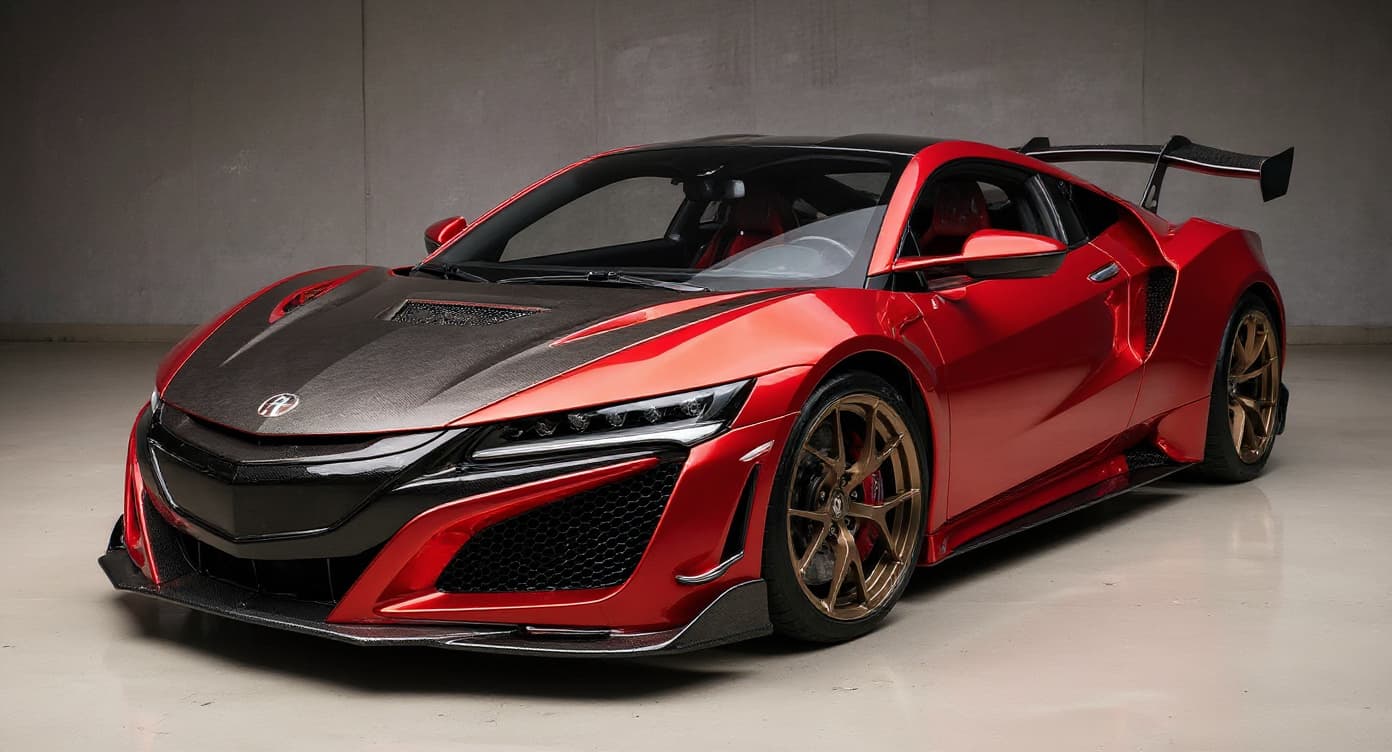
 AI render · JDM
JDM Style Guide: What Makes a Build Culture-Correct
JDM is not an aesthetic. It is a cultural lineage with specific rules. The wrong wheels on the right platform, or the right kit on the wrong generation, marks a build as uninformed regardless of how much money went into it. Here is what makes a JDM build actually correct.
What JDM Actually Means
JDM stands for Japan Domestic Market, it literally refers to cars built and sold for the Japanese market, which often differed from US-spec versions. The Nissan Skyline GT-R was a JDM car; the 240SX sold in the US was a US-market version of the Silvia. The Toyota Chaser was JDM-only. The Mitsubishi Galant VR-4 had a JDM version with different engine specs than the US-market version.
Over time, the term expanded culturally to describe the tuner aesthetic associated with Japanese modified car culture, touge racing (mountain pass street racing), Wangan highway racing, hashiriya (outlaw street racers), and the specific visual codes of the Japanese tuning community. A Honda Civic built in the style of a Japanese spec-C track car is colloquially called JDM even if the car itself is a US-spec model.
The Cultural Roots
Japanese tuner culture has distinct subcultures, each with its own visual codes:
- Touge: mountain pass racing. Think Initial D, small, lightweight cars (AE86, EF/EK Civic, FC/FD RX-7) built for grip or controlled oversteer through technical corners. Functional aero, minimal weight, period-correct wheels. No unnecessary show car parts.
- Wangan: high-speed highway runs. Top Secret, RE Amemiya, and Veilside built cars for Wangan. Maximum horsepower, aggressive aero for stability at 200+ mph. The Veilside Fortune Supra was a Wangan build.
- VIP style: origins in the Japanese underworld, luxury sedans (Toyota Celsior/Lexus LS, Nissan Cima, Toyota Crown) modified with extreme wheel concavity, air suspension, deep-dish wheels, and a subtle, sinister aesthetic. VIP builds are not aggressive. They are understated and low.
- Bosozoku: the extreme end of Japanese tuner culture. Extended exhaust pipes, massive front splitters, extreme camber. More performance art than driving build. Not recommended for street driving.
- Kanjozoku: Osaka loop racing culture. Honda Civic EG/EK built for close-quarters urban circuit racing. Minimal, functional. Full cages, nothing unnecessary.
Key Tuner Houses and What They Represent
- Veilside: founded in 1987, most famous for the Fortune kit on the Toyota Supra A80. Known for aggressive, aerodynamic body kits with a racing aesthetic. Platforms: Supra A80, RX-7 FD, Skyline R32/R33/R34, NSX. A Veilside kit is Wangan aesthetic. Built for speed, not stance.
- RWB (Rauh-Welt Begriff): exclusively Porsche 911 builds by Akira Nakai. Each car is unique and named. The aesthetic is widebody but also purposefully raw. The body work looks hand-built because it is. Cultural context: maximum collector status in the JDM community.
- Liberty Walk: modern LB Performance by Wataru Kato. The rivet-on flare system is intentionally race-car-referencing. Platforms span luxury and sports, Ferrari, Lamborghini, GT-R, Mustang, Corvette. LB builds signal luxury-performance culture, not touge purity.
- Top Secret: founded by Smoky Nagata. Performance-first. Engine work, turbo builds, aero designed for the Wangan. Famous for the twin-turbo Ferrari 550 that ran 217 mph on a Japanese highway. Top Secret builds are not show cars.
- Origin Lab: drift and circuit-focused. Body kits designed for Formula D and D1GP competitors. Hard surfaces, functional aero, aggressive rear diffusers. Strong presence in the drift scene.
- RE Amemiya: the definitive RX-7 tuner. Founded in 1971. Every major RX-7 generation has RE Amemiya body kit and performance options. If you are building a rotary JDM car, RE Amemiya is the culturally correct reference.
See your JDM build before you commit to any parts. TunedRides renders your car in JDM style. Photoreal, from your actual car photo. Free to try.
Try TunedRides free →
Wheels: What They Mean Culturally
In JDM culture, wheels are not just functional. They are a declaration. The wrong wheels mark a build as uninformed regardless of every other part on the car.
- Volk Racing TE37: the universal sign of function-over-form. A six-spoke forged aluminum wheel made by Rays Engineering since 1996. Seen on every category of JDM build from circuit to touge to stance. The TE37 says: I chose this wheel because it is the correct choice, not because it is fashionable.
- Work Meister S1: deep concave three-piece wheel with chrome or polished hardware. The definitive stance and VIP wheel. A Work Meister S1 on a lowered Mark II or Celsior is a culturally correct VIP statement.
- BBS LM: split-rim design, originally developed for Porsche racing. The BBS LM on a Japanese platform (GT-R, RX-7, NSX) says: performance-informed build, European racing heritage appreciated.
- Enkei RPF1: the lightweight choice. A single-piece cast wheel at roughly half the price of a Volk TE37 with similar strength. Seen on track and time attack builds. RPF1s say: I am serious about lap times, not Instagram.
- Watanabe 8-spoke: the period-correct choice for classic JDM builds (AE86, early Civics). Small diameter (14–15 inch), very vintage. These belong on restomod builds, not modern platforms.
Iconic JDM Colors
Color choice signals era-awareness in the JDM community. The most culturally significant colors:
- Bayside Blue (LV4): the most recognized JDM color. Sold exclusively on the Nissan Skyline GT-R R34 from 1999–2002. Only about 1,500 R34s were produced in Bayside Blue. A blue R34 in any other shade is not the same thing.
- Midnight Purple (LX0): a tricoat purple that shifts between purple and blue depending on the light. Available on the R33 GT-R from 1996–1998. Extremely rare. Only a few hundred were made in this color.
- Sonic Silver (KY0): the most common R33/R34 GT-R color and somehow still iconic because of how silver works with the car's lines. Timeless.
- Championship White: standard JDM performance white, seen on virtually every Japanese performance car from Honda Type R to Subaru STI to GT-R. A white Type R is always correct.
- Sebring Silver (NH623M): the NSX color. Honda's supercar looked best in silver, it is the factory color in every photoshoot that defined the car's aesthetic.
The Biggest Mistakes in JDM Builds
- Wrong era parts: putting an R35 GT-R Liberty Walk kit concept on an S13 Silvia. The S13 belongs to touge culture, it should have Origin Lab, Veilside, or period-correct aero, not an LB-style rivet-on build.
- Oversized wings on wrong platforms: a GT wing belongs on a time attack or drag car. A 60-inch carbon wing on a VIP Celsior is culturally incoherent. Wings signal function, if the car is not making track laps, the wing is a decoration that the community will read as uninformed.
- Fake JDM stickers and decals: Japanese text stickers, fake sponsor liveries, and random Japanese brand logos on a car that has no other JDM connection are the clearest markers of an uninformed build. Stickers should reference real relationships. A car that runs Cusco parts should run Cusco stickers.
- Euro styling on JDM cars: OEM+ European wheels (OZ Racing, Brembo calipers as bling, M-style splitters) on Japanese platforms look confused. Each regional culture has its own visual language. Choose one.
- Wrong tuner house for the platform: a Pandem kit on a Honda Civic is not wrong per se, but it is unexpected, TRA Kyoto designs primarily for Toyota and Nissan platforms. The visual vocabulary of the kit may not complement the Civic's lines the way it does the Supra.
Building Something the Community Respects
The fastest way to earn respect in the JDM community is to demonstrate era-awareness and research. A stock-looking AE86 with the correct period wheels, correct suspension, and a built 20V 4AGE is more respected than a widebody Supra with wrong wheels and no mechanical work.
Know your platform's cultural context, choose parts that are consistent with that context, and build something coherent rather than something that tries to reference multiple eras or cultural movements simultaneously.
Visit the TunedRides JDM style hub to explore JDM render options for your car. See what a culture-correct build looks like on your specific platform before you commit.
Related JDM Guides
- Best cars for JDM style, which platforms build most authentically in JDM culture.
- JDM car guide, the definitive list of iconic JDM cars and what makes each one culturally significant.
- Best JDM cars for widebody kits, top platforms for Liberty Walk, Pandem, and RWB treatments.
Frequently Asked Questions
What does JDM mean?
JDM stands for Japan Domestic Market, originally referring to cars built specifically for sale in Japan (like the Nissan Skyline GT-R, which was never officially sold in the US). Culturally, it now refers to the Japanese tuner aesthetic rooted in touge racing, VIP style, and specific Japanese tuning houses like Veilside, RWB, and Liberty Walk.
What wheels are the most JDM?
Volk Racing TE37s are the single most universally respected JDM wheel, functional, forged, and present in every category of Japanese tuner culture. Work Meister S1s are the VIP and stance choice. BBS LMs reference racing heritage. Enkei RPF1s signal track use. Watanabe 8-spokes are correct for vintage builds.
What is a culture-correct JDM build?
A culture-correct build uses parts that are consistent with the platform's cultural context and era. An AE86 should reference Initial D touge culture. Correct period wheels, functional suspension, minimal aero. A GT-R R35 can reference Liberty Walk or Rocket Bunny culture. Mixing eras or cultural movements (putting an LB-style kit on a touge car) marks a build as uninformed.
What is Bayside Blue?
Bayside Blue (paint code LV4) is the most iconic JDM color, an exclusive color sold only on the Nissan Skyline GT-R R34 from 1999–2002. Only approximately 1,500 R34 GT-Rs were produced in Bayside Blue. It is one of the most recognized and sought-after colors in the JDM community.
Render your JDM build before you commit to parts. See your car culture-correct. Free, no credit card required.
Try it free — free →No credit card required. Free tier available.